Macroporous Adsorption Resin AB-8 Material Selection Guide
Procurement engineers and technical managers evaluating media for packed-bed operations require precise data rather than promotional claims. The AB-8 macroporous adsorption resin functions as a specialized separation medium engineered for targeted industrial workflows.
Strict performance boundaries govern the deployment of this material across multi-industry environments. Technical evaluations must align directly with verifiable baseline parameters rather than assumed operational tolerances.
This technical guide establishes rigorous evaluation criteria for plant engineering teams selecting separation media. The framework integrates physical dimension metrics, baseline capacity thresholds, and verified compliance documentation.
Balancing Hydraulic Pressure Drop and Mass Transfer Kinetics through Particle Size
Hydraulic and Kinetic Equilibrium in Fixed-Bed Design
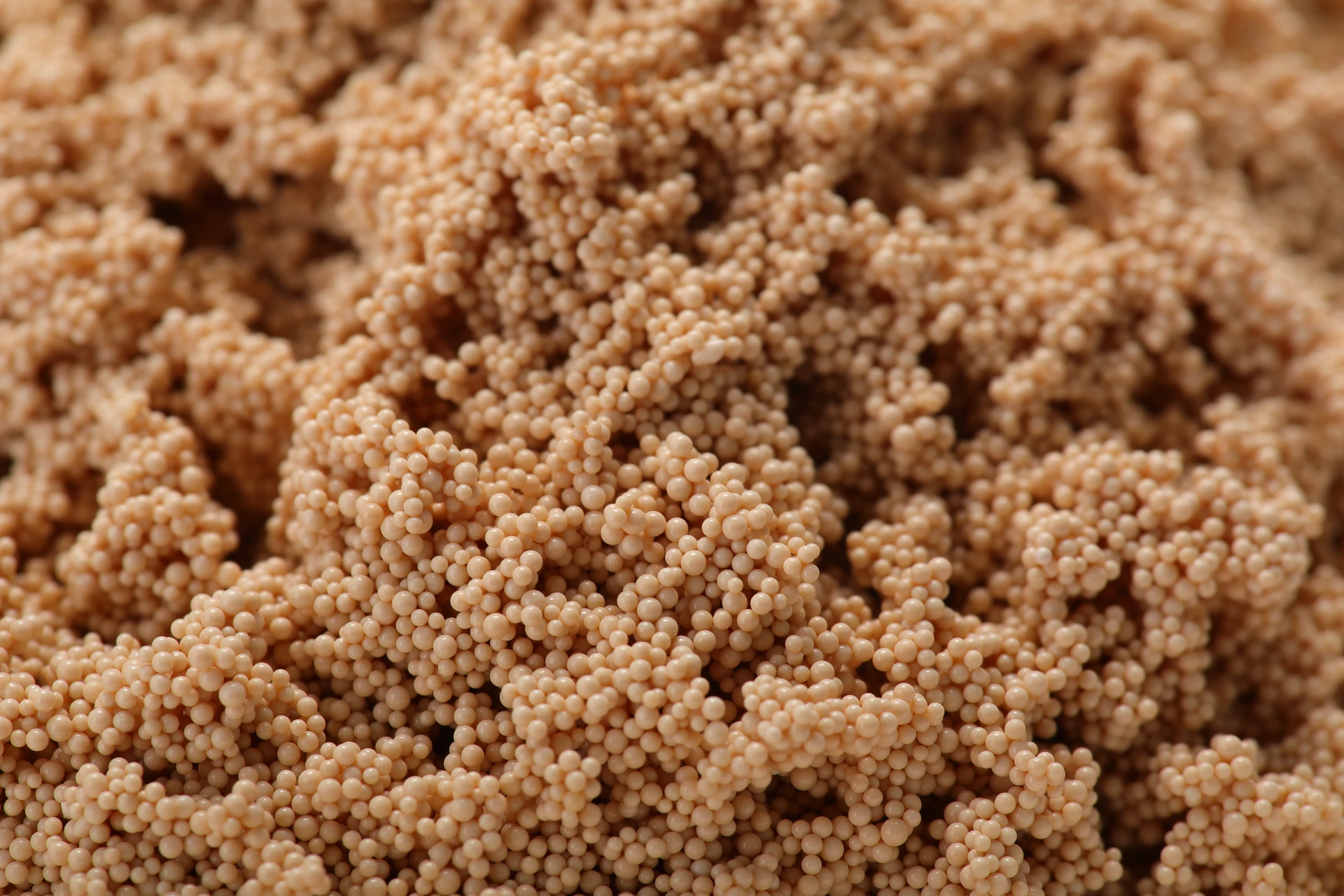
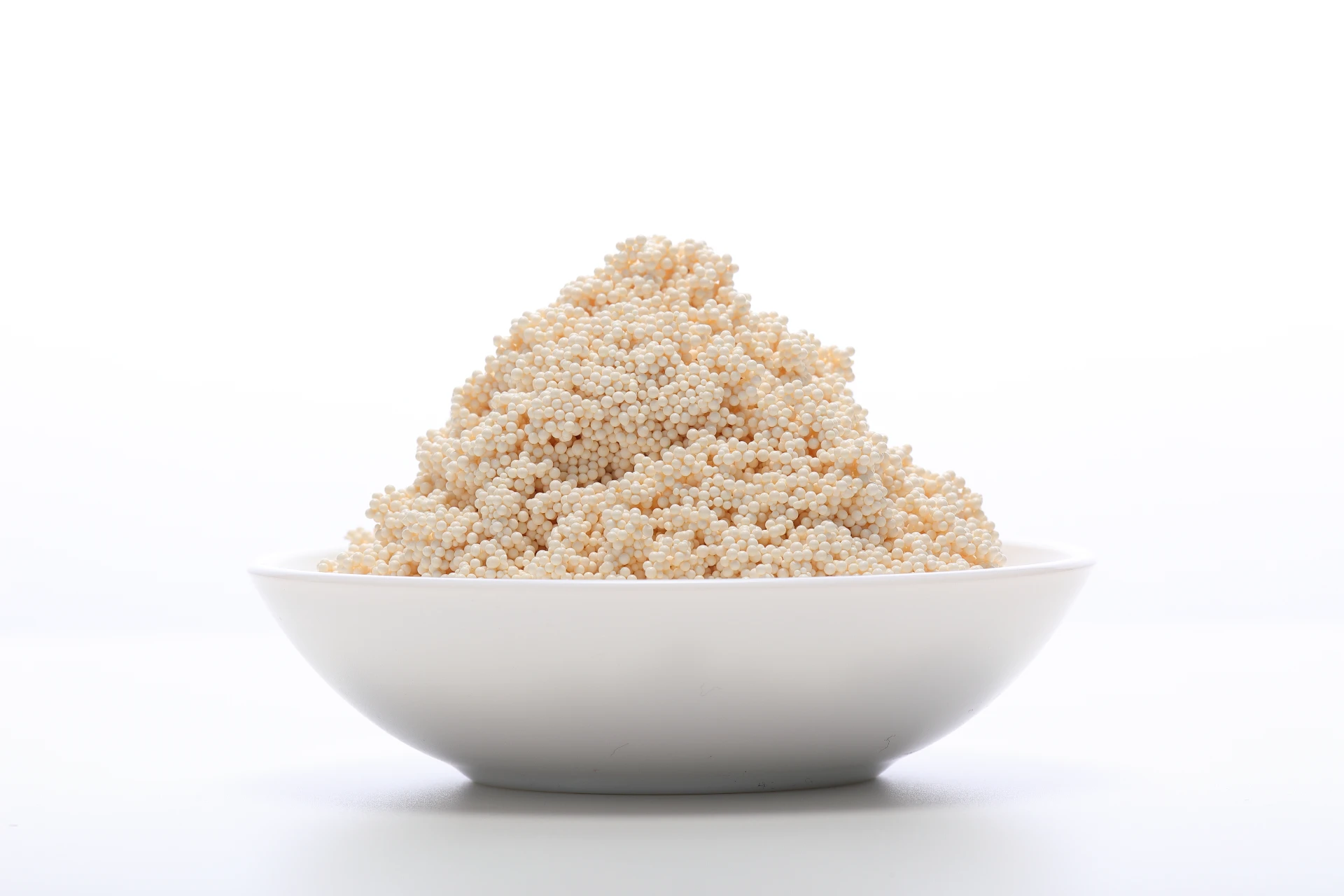
Plant engineers configuring packed columns must evaluate how physical media dimensions govern both fluid resistance and solute diffusion rates. A standardized particle size span of 0.3 to 1.25 mm establishes a controlled geometry that prevents bed compaction while maintaining sufficient surface area for target compound capture.
Operating a fixed-bed system with this specific dimensional profile prevents excessive pressure accumulation during high-flow cycles. Finer particles typically trigger prohibitive hydraulic resistance, whereas excessively coarse beads reduce interstitial contact time; this specific metric occupies the operational window that sustains steady fluid throughput without requiring booster pump modifications.
Mass Transfer Kinetics and Bed Stability
Pore diffusion rates depend directly on the spatial distribution of media beads within industrial columns. The standardized particle dimensions ensure uniform interstitial void fractions, minimizing channeling and ensuring that process fluids contact active adsorption sites evenly throughout the column depth.
Technical evaluation teams sizing full-scale separation equipment must correlate these particle bounds against operational flow velocity parameters. When fluid velocities align with structural limits of the 0.3 to 1.25 mm bead matrix, system operators observe predictable elution profiles and stable operational cycles across continuous processing runs. Extended operational campaigns further reveal that maintaining this particle size boundary prevents media attrition and particle fragmentation under fluctuating hydraulic loads, ensuring that bed permeability remains consistent over prolonged service intervals.
Evaluating Baseline Adsorption Capacity for High-Precision Industrial Separation
Establishing a minimum total adsorption capacity threshold of at least 45 mg/g for AB-8 resin provides technical evaluation teams with a reliable baseline for calculating packed-bed efficiency. This quantified capacity benchmark dictates how densely target compounds bind to the media during continuous flow cycles. Plant engineers reviewing column dynamics rely on this metric to project solute capture rates without underestimating bed volume requirements.
Analytical Benchmarks for Multi-Industry Processing Environments
Operating environments demanding strict separation outcomes require consistent adsorption metrics to prevent early column breakthrough. The baseline capacity threshold supports targeted extraction tasks across regulated sectors by ensuring predictable mass transfer rates. Laboratory and industrial facilities evaluate media efficiency against this standard to maintain consistent output quality across multiple processing batches.
Translating baseline capacity metrics into practical plant operations involves correlating solute loading rates with total bed volume. Technical buyers assessing column efficiency utilize these verified thresholds to determine replacement schedules and regeneration cycles. Documentation confirming these performance characteristics remains accessible directly from the supplier.
Aligning Resin Capacity Thresholds with Target Solute Loads
Matching the adsorptive capacity of the media to the incoming solute concentration prevents premature saturation and system failure. Plant design parameters must account for the specific chemical affinity between the target molecules and the polymer matrix during high-load operations. Technical teams calculate the required mass of resin by dividing the total daily solute load by the verified capacity threshold, factoring in safety margins dictated by the specific application workflow.
Operational stability depends on maintaining an equilibrium between the solute feed rate and the internal active sites within the fixed bed. When processing complex streams across multi-stage setups, monitoring the effluent concentration helps verify that the 45 mg/g threshold is not exceeded by sudden hydraulic surges or unexpected concentration spikes. Precise characterization of the feed stream allows engineering teams to optimize bed depth and residence time without over-allocating capital expenditure.
Detailed analytical reports confirming adsorption performance are available upon request to support technical audits and regulatory reviews. These documentation packages provide the empirical basis required for sizing industrial columns across food processing, pharmaceutical intermediate isolation, and environmental pollutant abatement projects.
Comparative Matrix of AB-8 Resin Specifications and Operational Parameters
Particle size parameters dictate the physical separation limits and mass transfer efficiency achieved within industrial fixed-bed columns.
Beads measuring 0.3 to 1.25 mm maintain an optimized balance between interstitial void spaces and active surface area during continuous fluid delivery. Finer media dimensions increase mass transfer kinetics by shortening diffusion paths, whereas larger beads prevent excessive pressure drop across high-velocity operational loops.
| model | size | capacity | Suitability for Humid Environments | Price Tier |
|---|---|---|---|---|
| AB-8 | 0.3~1.25mm | ≥45mg/g | Suitable for moisture-controlled industrial areas | Tier dependent on volume |
Adsorption capacity benchmarks evaluate solute loading limits against actual chemical feed concentrations in targeted processing environments. The verified baseline threshold of at least 45 mg/g supports predictable adsorption cycles before breakthrough occurs. Plant engineering teams compare this metric directly against incoming feed concentrations to determine optimal bed volumes and replacement intervals.
Fluid dynamics within packed columns depend heavily on how bead dimensions interact with varying hydraulic flow rates. Increased throughput velocity generates higher mechanical shear forces that require stable bead structures to prevent premature fragmentation. Operating parameters must account for these mechanical constraints to ensure that hydraulic pressure remains within equipment design limits throughout the service lifecycle.
Selecting appropriate operational parameters prevents uneven channeling and maintains uniform fluid distribution across the entire column depth. Process engineers verify these specifications against system pressure thresholds before commissioning new separation units.
Mapping Application Scope Across Regulated Industrial Sectors
Targeting Food and Beverage Decolorization and Environmental Pollutant Removal
Food and beverage decolorization processes rely on specific functional mechanisms to remove unwanted organic color bodies from aqueous streams while preserving primary flavor profiles and nutritional compounds. Environmental pollutant removal operations utilize identical macroporous adsorption pathways to extract hazardous contaminants from industrial wastewater streams before discharge compliance checks occur. Processing facilities manage these targeted workflows by adjusting empty bed contact times according to influent concentration levels and specific purification objectives.
Pharmaceutical Intermediate Purification and Laboratory-Scale Bioseparation
Pharmaceutical intermediate purification protocols demand strict operational controls to prevent compound degradation and maintain consistent yield outputs across commercial batch cycles. Operational parameters within these synthesis trains depend heavily on precise pH windows and solvent polarity ratios defined during pilot-scale testing. Laboratory-scale bioseparation tasks leverage the same bead matrix to isolate delicate biomolecules under controlled elution schedules.
Protein purification procedures and fractionation of bio-molecules require tailored buffer compositions to optimize binding capacity on active surface sites. Plant technicians monitor hydraulic stability continuously during high-purity isolation runs to avoid channeling across packed column depths. Documentation packages are available from the supplier to support regulatory compliance audits for these regulated operational sectors.
Verifying Quality Management Systems and Analytical Documentation
Aligning Manufacturing Quality with ISO9001 Frameworks
Facility quality assurance depends on traceable operational protocols governed by ISO9001 standards during the production of AB-8 resin. Plant engineering auditors evaluate batch consistency against these documented management systems to minimize lot-to-lot variance.
Operational control parameters and manufacturing logs remain accessible for inspection during routine compliance reviews. These documented frameworks support industrial purchasing teams requiring verified process control.
Validating Analytical Performance via SGS and WQA Protocols
Analytical verification procedures executed through SGS provide independent confirmation of resin purity and chemical resistance properties. Third-party testing metrics validate that the material withstands aggressive solute exposure across multi-stage separation cycles.
Concurrently, WQA documentation availability ensures that procurement teams can substantiate material suitability for sensitive water treatment and chemical processing applications. Technical buyers integrate these verification dossiers directly into internal compliance filings without needing external standard numbers.
Decision Framework for Integrating AB-8 Resin into Fixed-Bed Columns
Integrating Physical Metrics with Adsorption Capacity
Synthesizing physical dimension data and adsorption capacity metrics provides the foundational parameters required to finalize material selection for packed columns. Plant engineering teams must weigh the 0.3 to 1.25 mm particle range against solute loading demands to ensure the chosen media matches operational targets.
Balancing these two core variables prevents premature breakthrough while maintaining steady hydraulic throughput across multi-stage separation setups. Evaluating how particle dimensions influence internal mass transfer rates directly determines the efficiency of target compound capture during continuous operation.
Validating Operational Constraints and Compliance Documentation
Reviewing column geometry and hydraulic constraints against the 0.3 to 1.25 mm particle range safeguards against operational bottlenecks during high flow cycles. Packed bed operators verify that interstitial void fractions support uniform fluid distribution without bypassing active adsorption sites.
Technical teams coordinate directly with the supplier to obtain the analytical reports and verification files necessary for pilot-scale evaluation before finalizing purchase orders. These steps ensure the selected medium aligns with processing parameters across target industries.
Frequently Asked Questions
AB-8 resin features a standardized particle size range of 0.3 to 1.25 mm, which helps balance hydraulic pressure drop and mass transfer kinetics in fixed-bed columns. This controlled geometry prevents bed compaction while maintaining sufficient surface area for target compound capture during high flow cycles. Exact fluid resistance depends on the operational flow velocity parameters and column dimensions.
The resin delivers a total adsorption capacity of at least 45 mg/g, supporting high-precision separation tasks across multiple regulated industries. This performance baseline allows plant engineering teams to determine the match between resin capacity requirements and target solute loads in multi-stage setups. Actual solute loading limits depend on the specific target compound and process feed concentrations.
The material application scope strictly spans food and beverage decolorization, pharmaceutical intermediate purification, environmental pollutant removal, laboratory-scale bioseparation, protein purification, and the fractionation of bio-molecules. Plant technical managers can deploy the media across these specific workflows under controlled operational parameters. Suitability for unique industrial streams depends on the chemical composition of the process fluid.
Manufacturing and analytical validation are backed by ISO9001 quality management frameworks, SGS analytical validation procedures, and WQA documentation availability. These documentation packages support regulatory compliance audits for industrial separation equipment. Access to specific testing records depends on the procurement volume and the requested documentation tier.
Engineering teams can request official compliance dossiers and material samples directly from the supplier to validate pilot-scale performance in fixed-bed columns. Reviewing column geometry and hydraulic constraints against the particle range ensures proper media integration. Sample availability and trial timelines depend on destination ports and international logistics arrangements.
Conclusion
Pilot-scale testing protocols depend heavily on destination port logistics and minimum order quantity thresholds established for continuous packed bed processing units. Purchasing departments evaluate shipment lead times based on destination geography and carrier availability.
Commercial scaling variables remain strictly bound to bulk order frequency and specific port clearance requirements. Material deployment timelines fluctuate according to seasonal shipping volumes and regional import regulations.