Phone:
+86 0319 2296164


Email:
info@lijiresin.cn
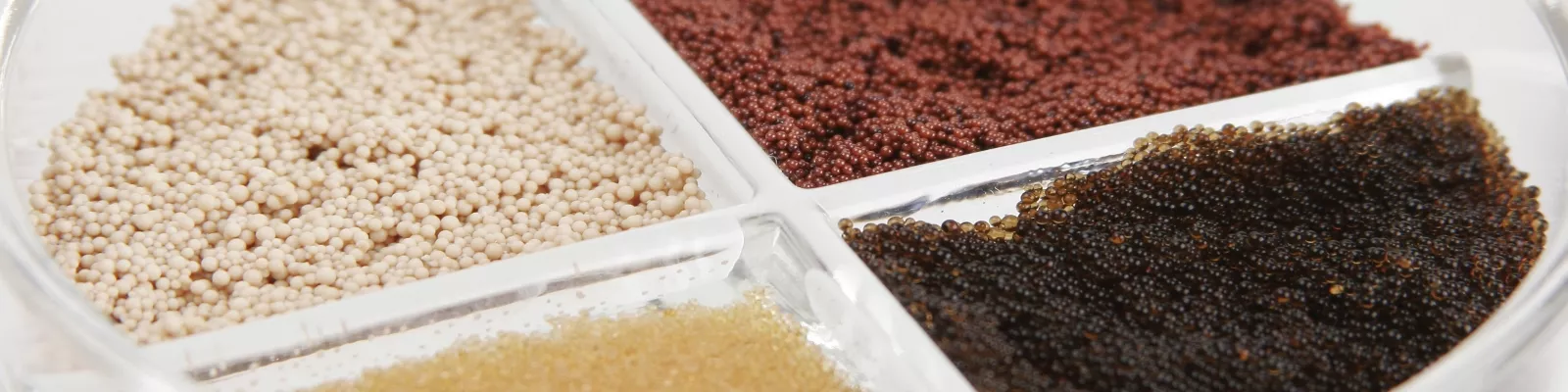

SIDE BY SIDE
A side-by-side comparison of three macroporous adsorption resin products from Hebei Lijiang Biotechnology Co.,Ltd.: AD-101, D101 net grade and X-5. It covers the published specifications, materials of construction, application notes, pretreatment, regeneration and storage guidance. Values the source pages do not give are marked as unavailable, and the article lists the documents buyers should request before qualifying a resin.
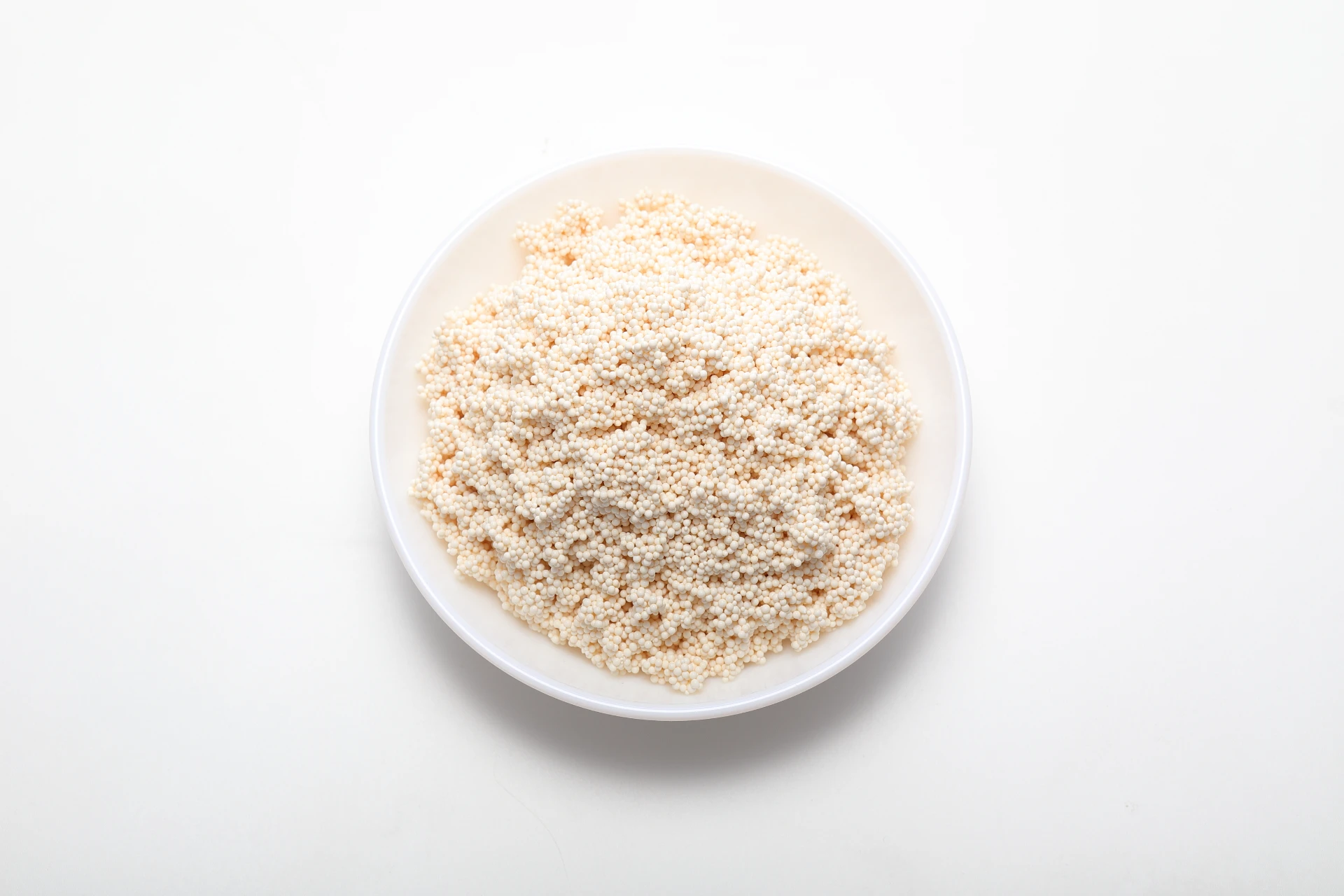
Macroporous Adsorption Resin AD-101 (industrial grade)
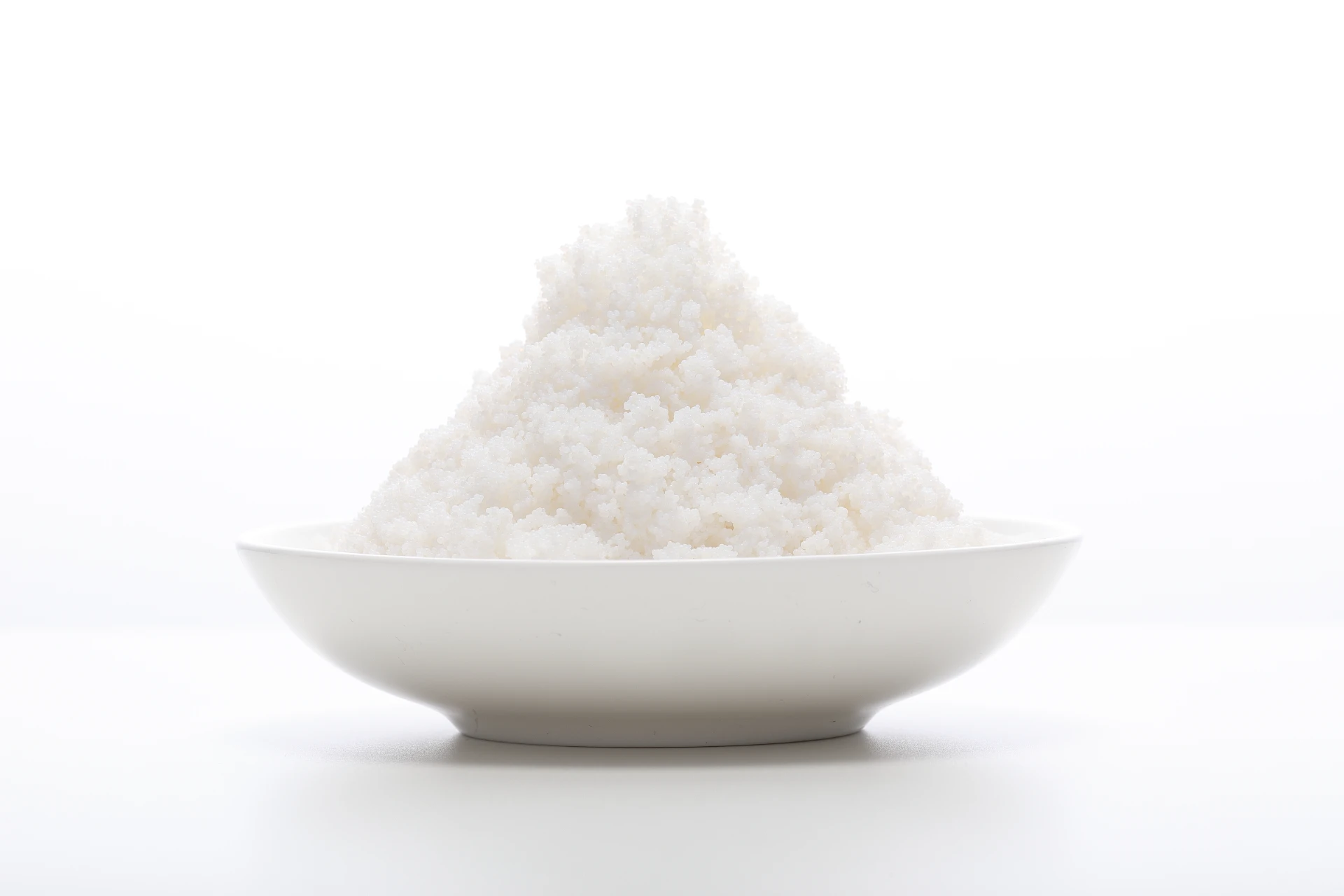
Macroporous Adsorption Resin D101 (net grade)
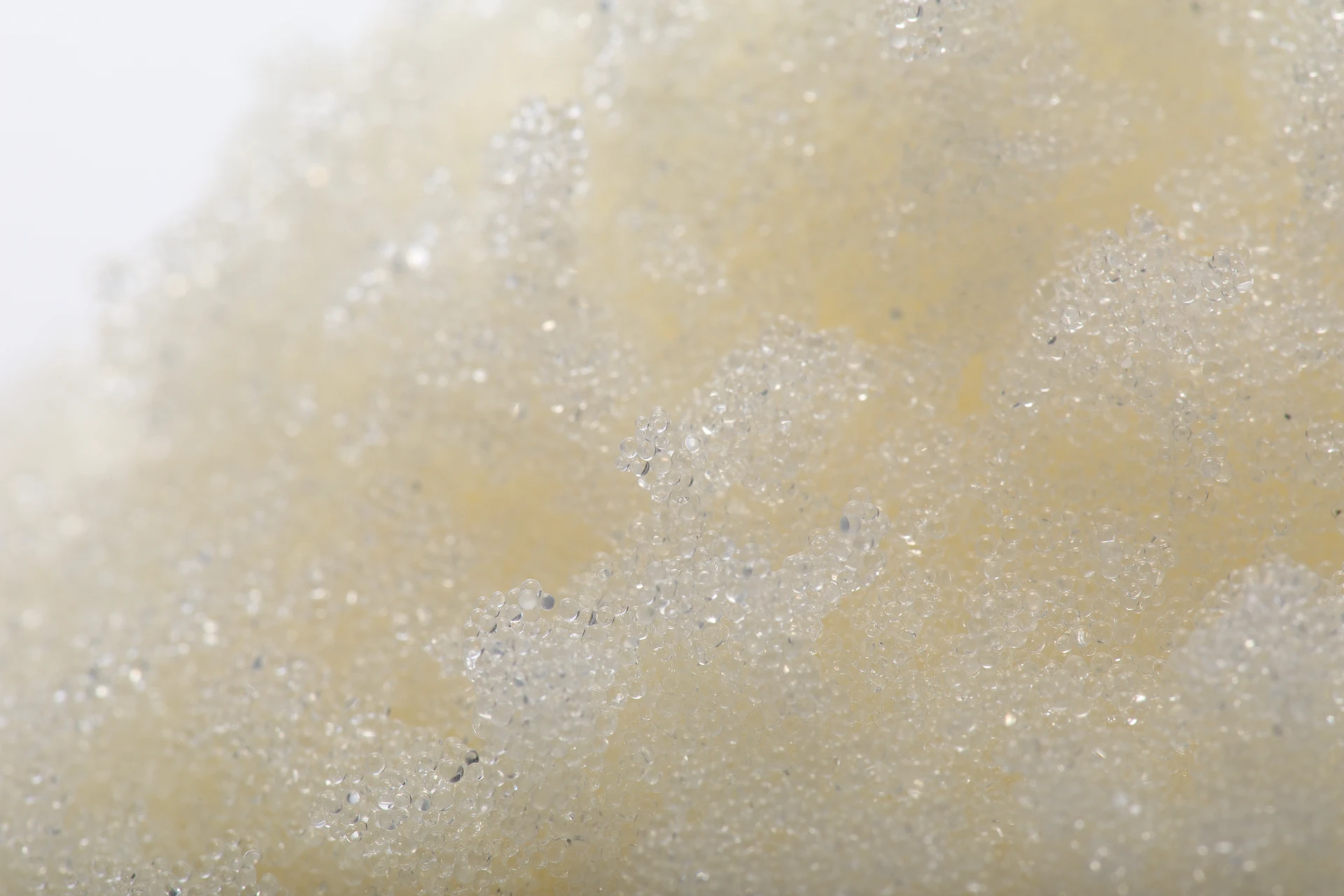
Macroporous Adsorption Resin X-5
If you are qualifying a macroporous adsorption resin for extracting or purifying natural compounds, start by comparing the published data sheets on a common basis. This article puts three products from Hebei Lijiang Biotechnology Co.,Ltd. side by side:
None of the figures below come from side-by-side tests under shared conditions, so they cannot tell you which resin will work better in your process.
| Criterion | AD-101 | D101 (net grade) | X-5 |
|---|---|---|---|
| Polymer system | Non-polar styrene copolymer | Non-polar styrene copolymer | Styrene system |
| Cross-linking agent | Divinylbenzene | Divinylbenzene | Unavailable |
| Porogen | Toluene and octanol | Toluene and octanol | Unavailable |
| Polarity | Nonpolar | Nonpolar | Non polar |
| Structure (as listed) | PSD | PSD | PSt |
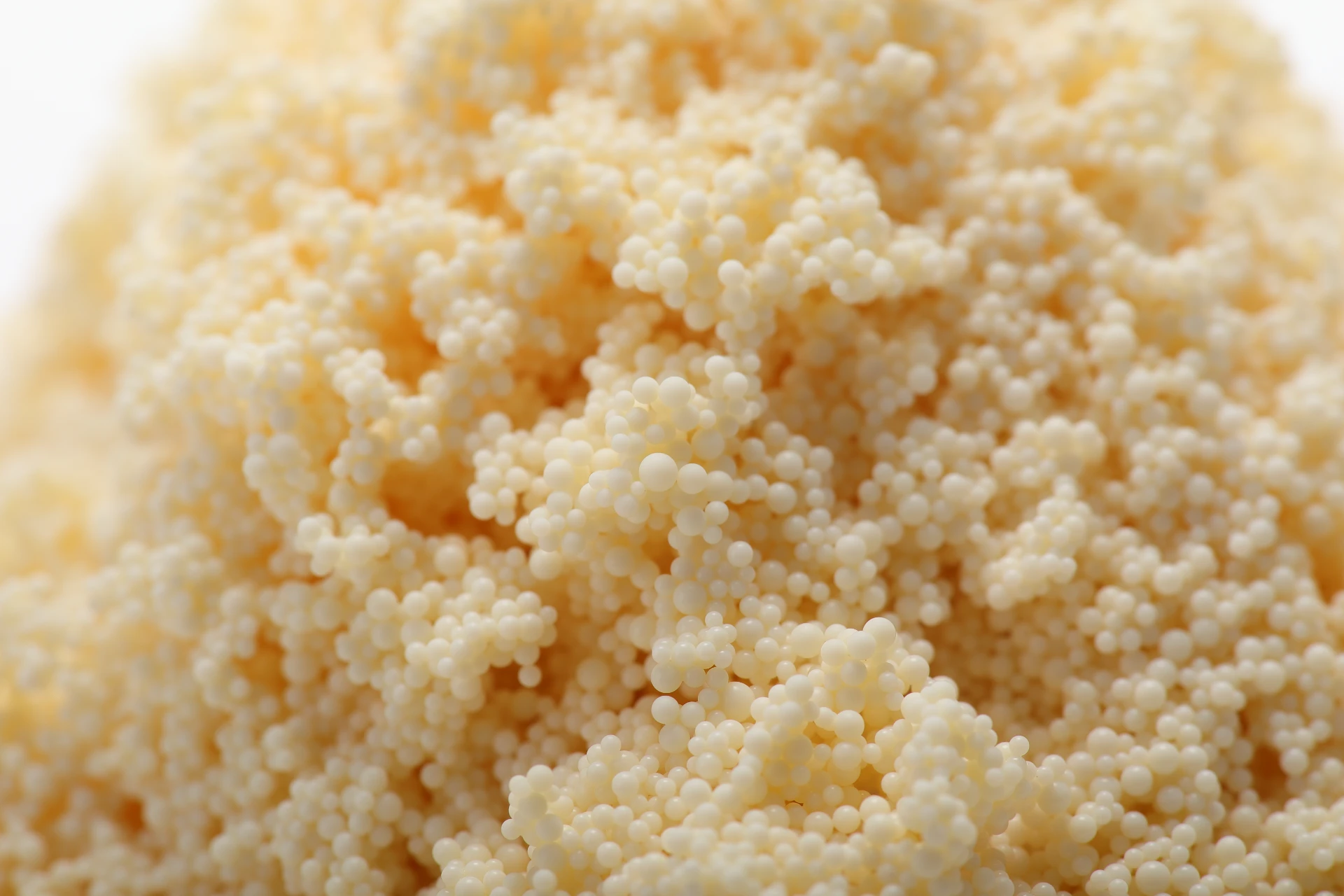
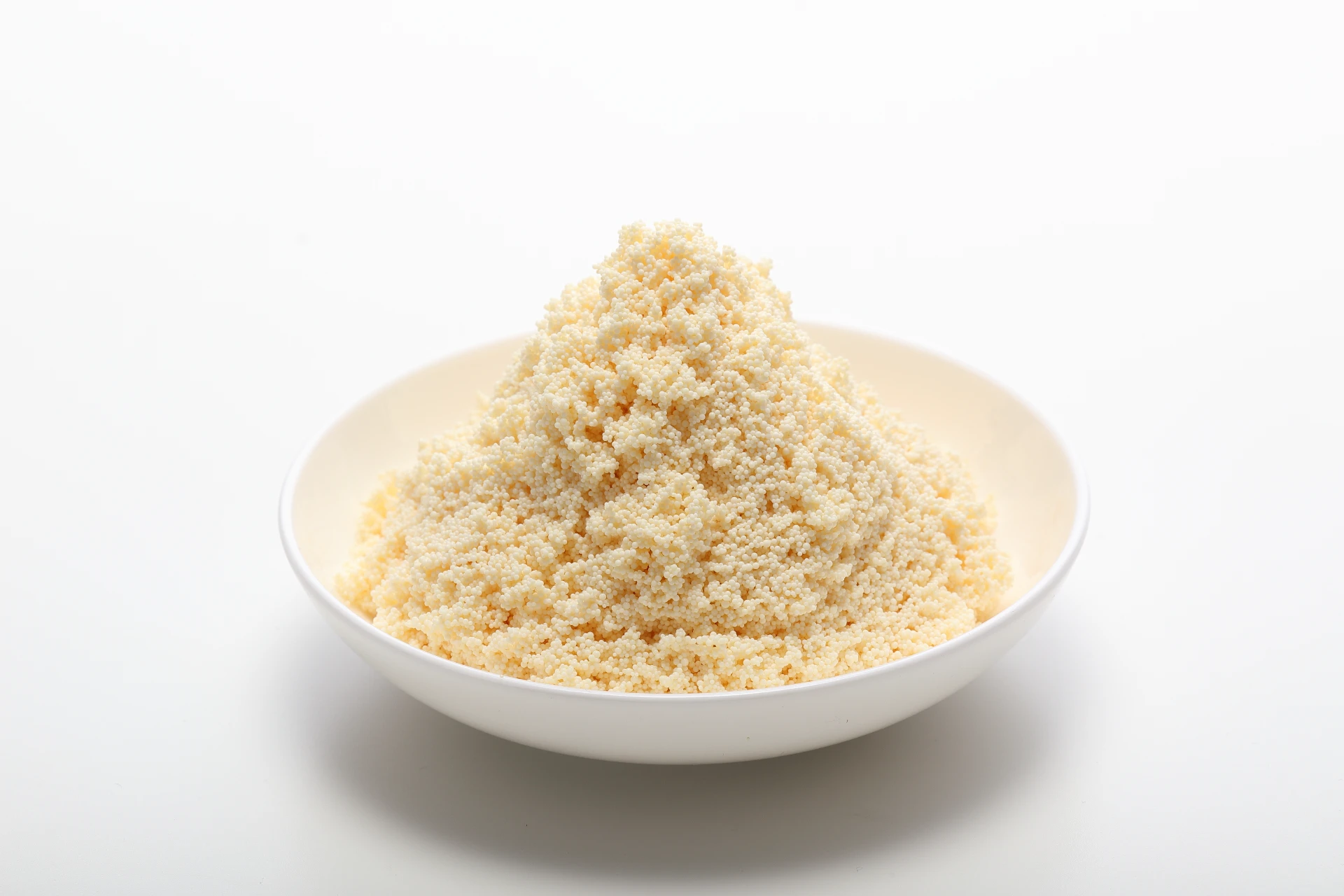
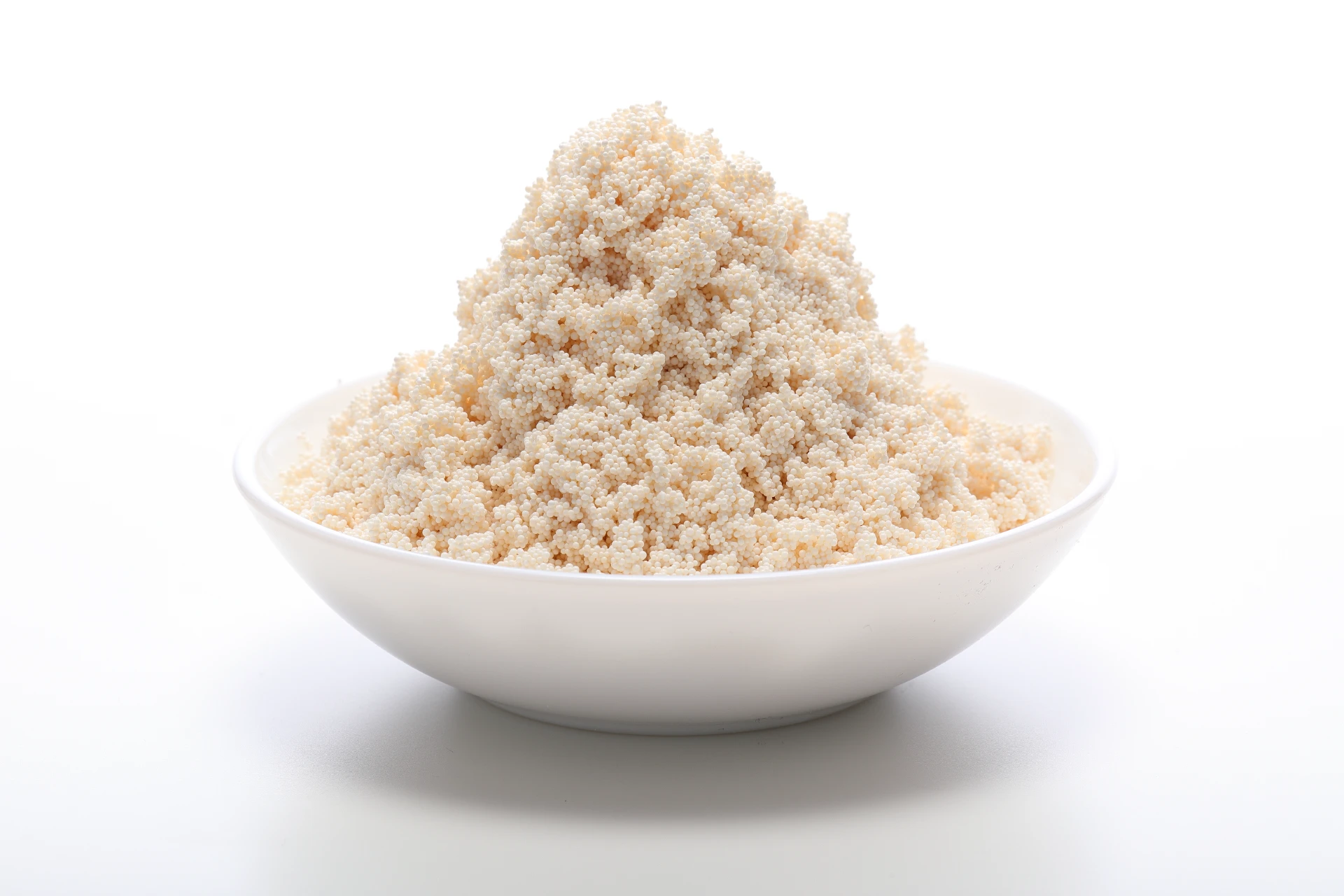
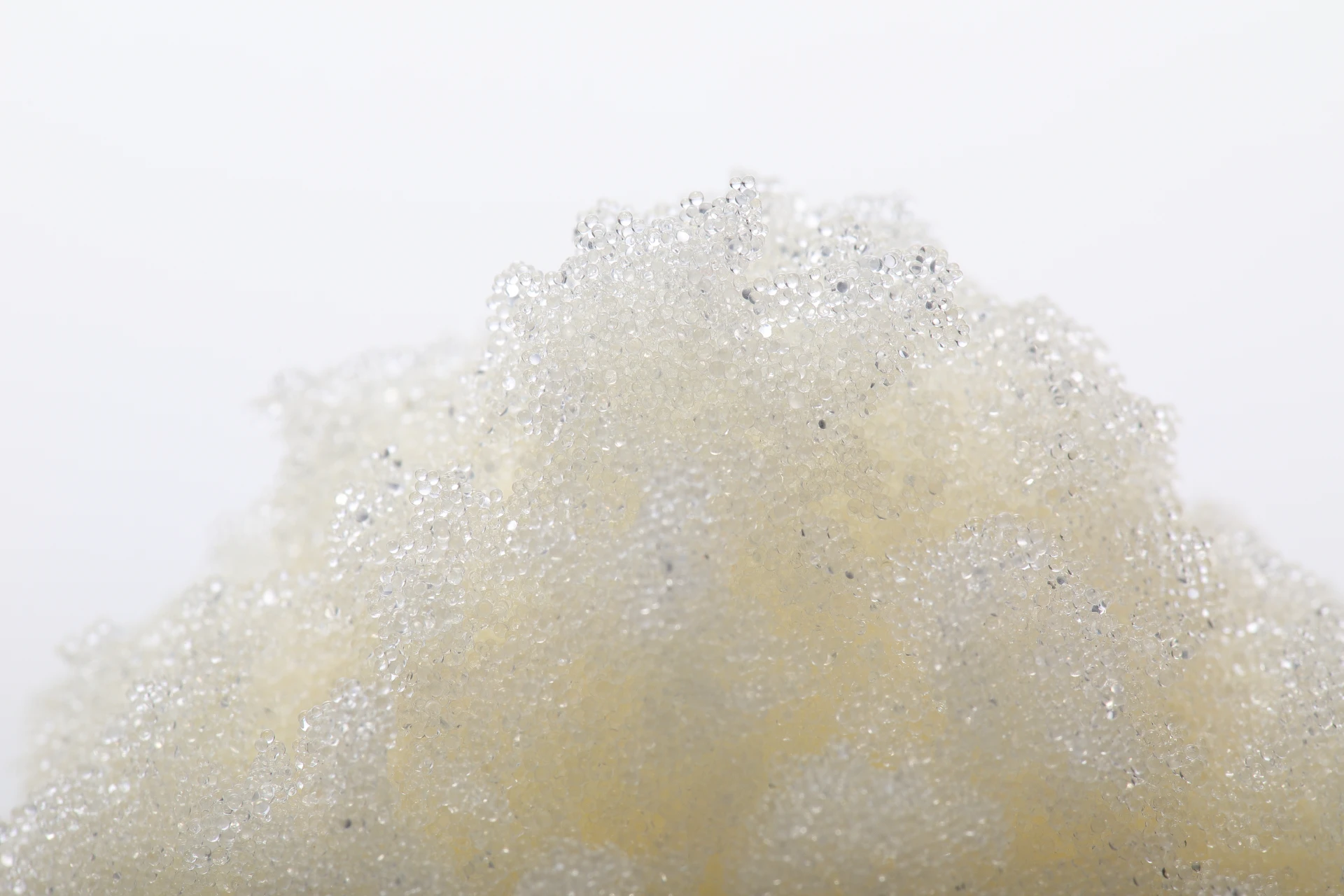
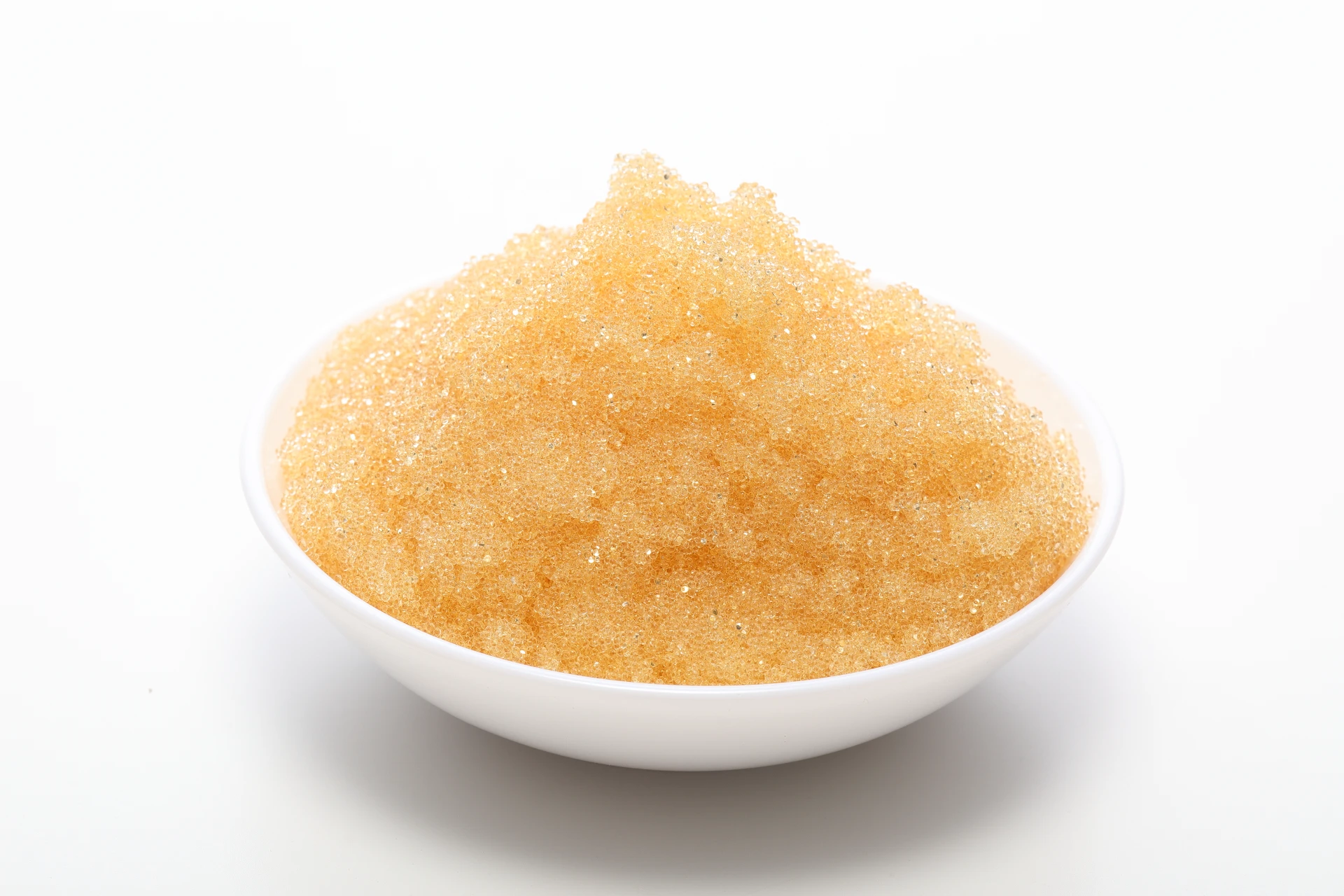
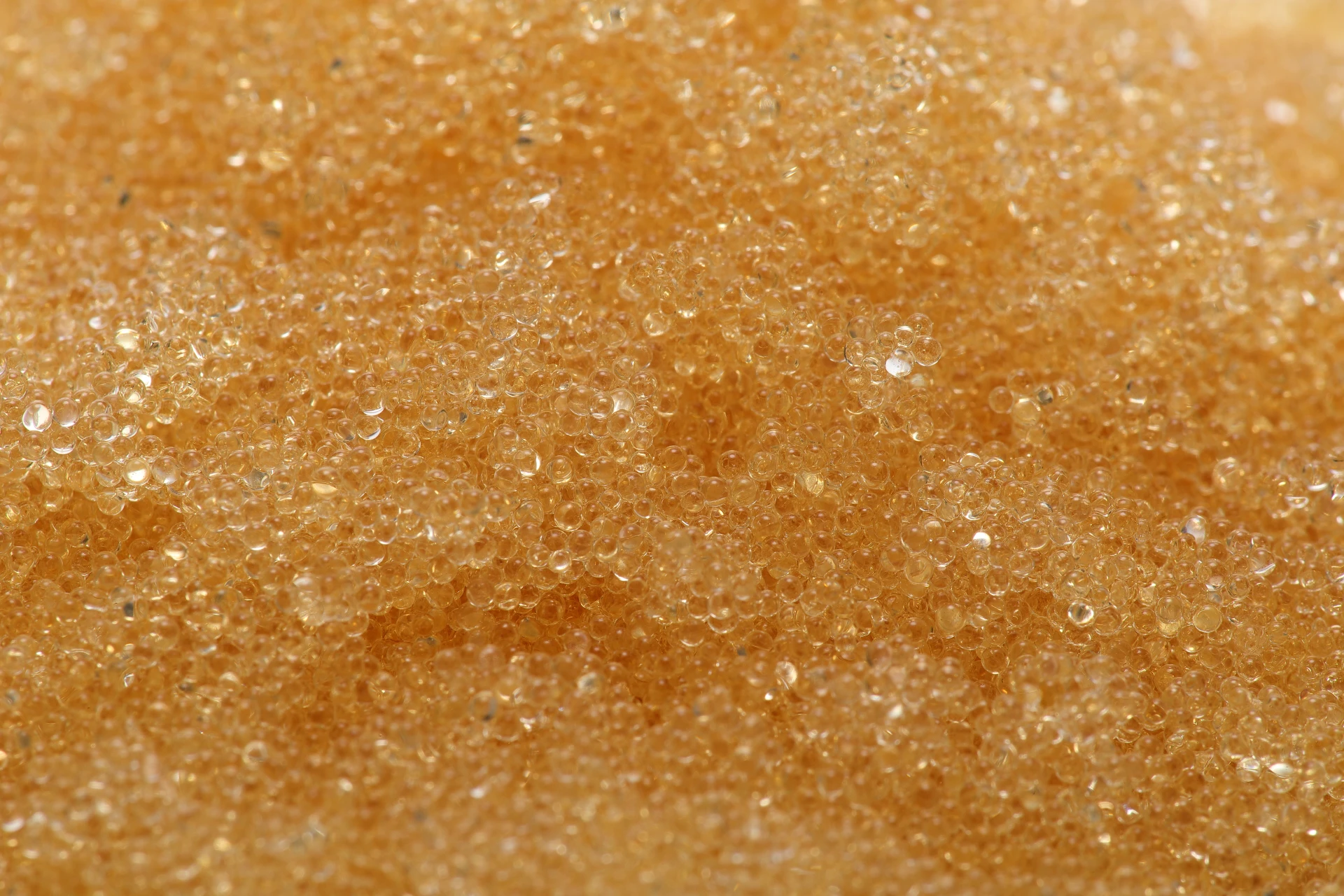
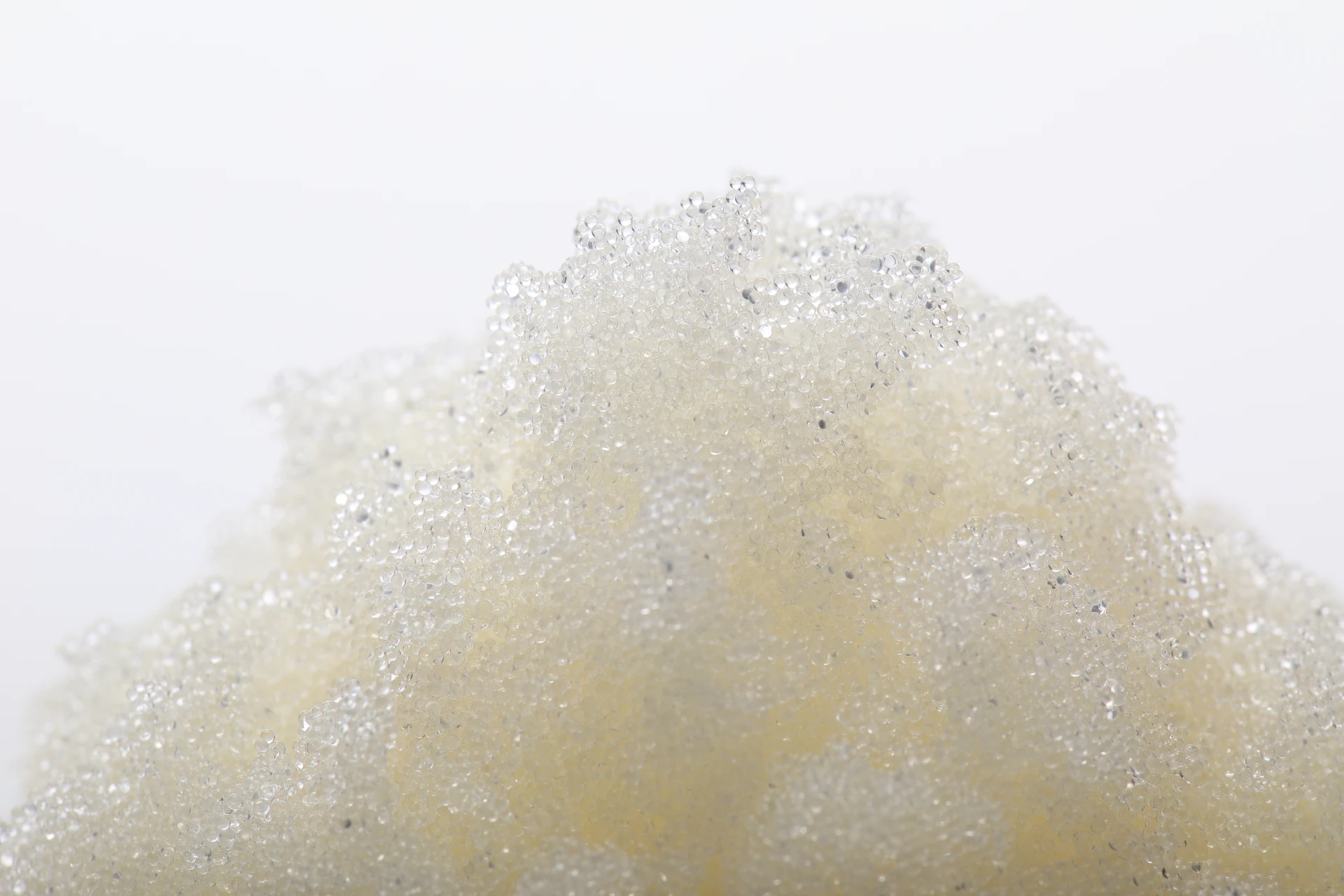
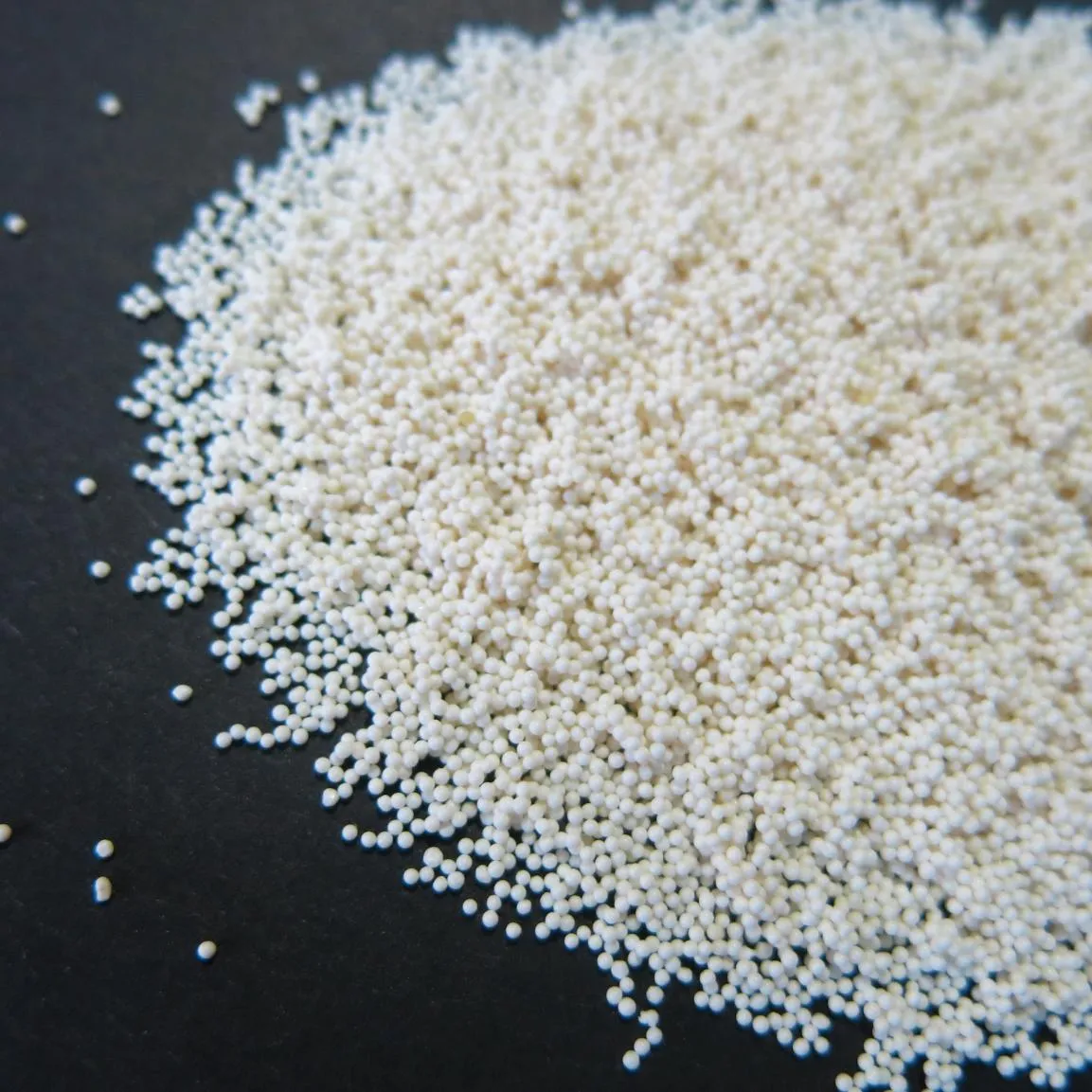
| Appearance | Milky white opaque spherical beads | Milky white opaque spherical beads | Milky white opaque spherical beads |
All three are listed as non-polar styrene-based resins. For AD-101 and D101, the source names the cross-linking agent and porogen. For X-5 it does not.
| Criterion | AD-101 | D101 (net grade) | X-5 |
|---|---|---|---|
| Moisture | 65%–75% | 65%–75% | 65%–75% |
| Particle size range | (60–16 mesh) 0.3–1.25 mm ≥95% | (60–16 mesh) 0.3–1.25 mm ≥95% | 0.3–1.25 mm ≥90 (unit as published) |
| Average pore size | 9–11 nm | 9–11 nm | 29–30 nm |
| Specific surface area | 550–600 m²/g | 550–600 m²/g | 500–600 m²/g |
| Pore volume | 1.50–1.70 ml/g | 1.50–1.70 ml/g | Unavailable |
| Porosity | Unavailable | Unavailable | 50%–60% |
| Apparent density | 0.32–0.36 g/ml | 0.32–0.36 g/ml | Unavailable |
| Skeleton density | 0.81–0.85 g/ml | 0.81–0.85 g/ml | Unavailable |
| Real density | 1.15–1.19 g/ml | 1.15–1.19 g/ml | 1.03–1.10 g/ml |
| Bulk density | 0.65–0.70 g/ml | 0.65–0.70 g/ml | Listed as "065~0.75 g/ml"; confirm with supplier |
| Adsorption capacity | ≥45 mg/g | ≥45 mg/g | Unavailable |
What the data shows: The published average pore size is the clearest documented difference. AD-101 and D101 list 9–11 nm. X-5 lists 29–30 nm, and its product page places it in the medium-aperture range of the supplier's series. The surface-area ranges overlap. The AD-101 and D101 index tables give identical values. The difference between them is in the processing grade and residue documentation, covered below.
The X-5 bulk density appears to contain a formatting error in the source, and the unit for its particle size percentage is missing. Ask for a corrected data sheet before you use these values in a specification.
These are the supplier's application statements, not results proven for your feed. Run pilot or laboratory trials on your own solution before you choose a resin.
| Criterion | AD-101 | D101 (net grade) | X-5 |
|---|---|---|---|
| Grade note | Industrial grade; contains inert solvents | Net grade; deep-processed | Unavailable |
| Pretreatment | Required: soak in ethanol 10–20 cm above the resin layer for 3–4 hours, then wash repeatedly until a water dilution test is not turbid, then rinse with clean water until no obvious ethanol odor remains | Can be used directly on the column without pretreatment; may be soaked and rinsed with ethanol or double-distilled water for stability; backwash after packing to remove gas | Generally an alkali–water–acid–water flow path; strict requirements call for three cycles |
| Published adsorption conditions | Unavailable | Unavailable | Loading height ≤3 m; flow rate 1–6 m/h; pH 4–6 |
| Published desorption conditions | Unavailable | Unavailable | 1–2% NaOH, methanol or acetone; 2–4 BV; flow rate ≤5 m/h; 40–50 ℃ |
| Regeneration agents | Water, dilute alkali, dilute acid or low-boiling organic solvents (e.g., methanol, ethanol, acetone) | Same as AD-101 | See desorption conditions |
| Enhanced regeneration | 3–5% hydrochloric acid, then 5% sodium hydroxide, each soaked for 2–4 hours and rinsed to neutral pH | Unavailable in this excerpt | Unavailable |
For procurement, this documentation gap matters. The X-5 page publishes reference adsorption and desorption conditions. The AD-101 and D101 pages instead focus on pretreatment and regeneration procedures. If you need operating windows for AD-101 or D101, ask the supplier for them. The X-5 figures do not apply to the other two resins.
The D101 net grade has residue control indicators: benzene ≤0.001%, toluene ≤0.002%, xylene ≤0.002%, divinylbenzene ≤0.001%, ethyl styrene ≤0.001% and diethylbenzene ≤0.001%.
Residual solvent data often decides whether a resin can be considered for food or pharmaceutical-related processing. If it matters for your application, request batch-specific test reports. Do not rely only on catalog limits.
Before you approve any macroporous adsorption resin, ask for:
AD-101 and D101 share the same published index values. They differ in processing grade, pretreatment needs and residue documentation. X-5 has a published average pore size of 29–30 nm, compared with 9–11 nm for AD-101 and D101, lists its own application areas, and comes with published operating conditions. The right choice depends on your target compounds, your purity requirements and your own trial results. The data sheets alone cannot settle it.
THE PEOPLE

About the author
THE COMPANY
Hebei Lijiang Biotechnology Co., Ltd. is a modern high-tech enterprise specializing in the research, development, production, sales, and service of high-performance special ion exchange resins. We are committed to producing high-quality industrial-grade, food-grade, pharmaceutical-grade, and nuclear-grade resins. To provide point-to-point solutions for our global customers, we have developed a comprehensive and specialized product line.…
About Us ↗Visit company website ↗YOUR NEXT STEP
Use case, specification, quantity and delivery window: make the next conversation specific.