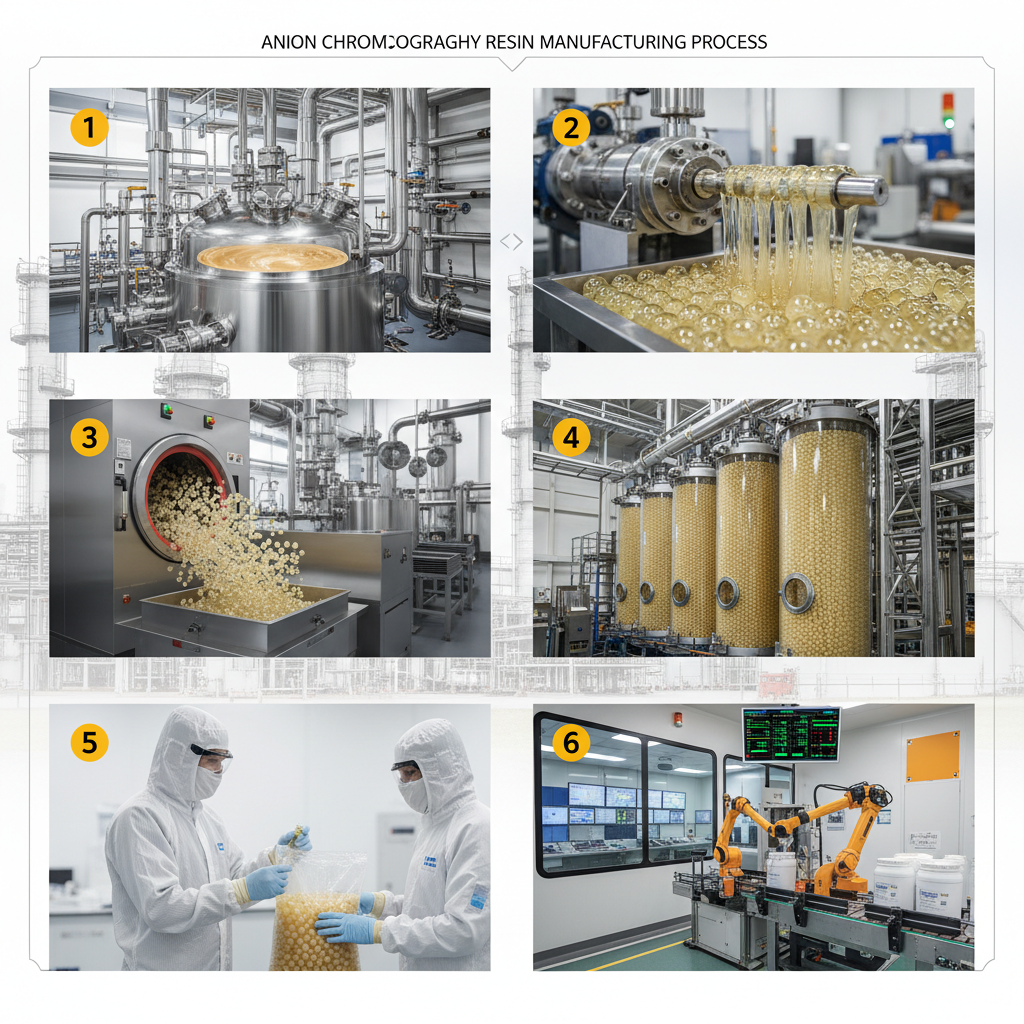
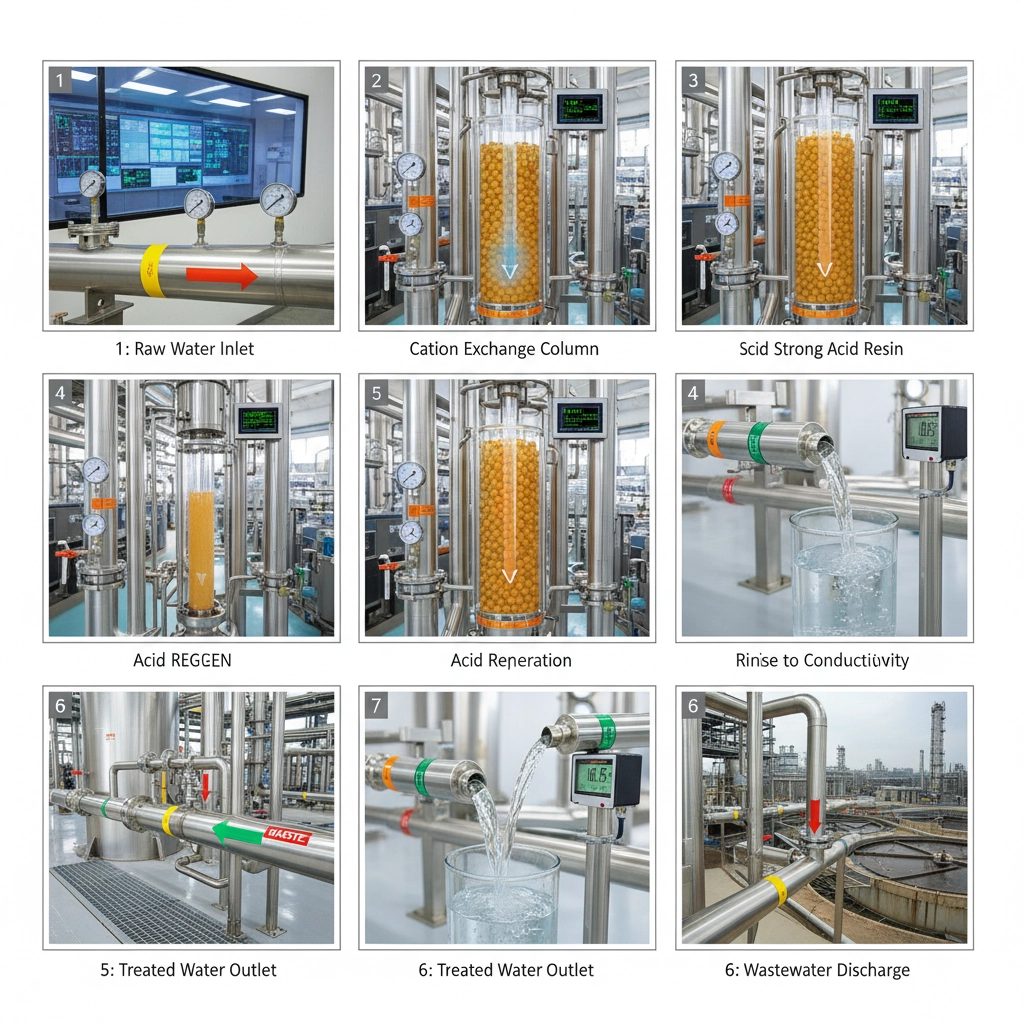
In the sophisticated landscape of modern biopharmaceutical and chemical processing, mixed mode chromatography resins have emerged as a transformative solution for the purification of complex molecules. By integrating multiple interaction mechanisms—such as ionic exchange and hydrophobic interactions—within a single stationary phase, these materials overcome the inherent limitations of traditional single-mode resins, allowing for the separation of highly similar impurities with unprecedented precision.
The global shift toward personalized medicine and the production of high-titer monoclonal antibodies has intensified the demand for resins that can handle diverse feedstreams without requiring extensive buffer exchanges. Understanding the nuances of how mixed mode chromatography resins function is no longer just a technical advantage but a commercial necessity for laboratories aiming to reduce processing time and increase final product purity.
Ultimately, the adoption of these advanced materials represents a move toward "smarter" chemistry, where the resin's surface is engineered to recognize multiple physical attributes of a target molecule. This synergy not only enhances the recovery rates of sensitive proteins but also significantly lowers the cost of goods in the long run by streamlining the downstream process.
The Global Relevance of Mixed Mode Chromatography Resins
On a global scale, the pharmaceutical industry is facing a critical bottleneck: the ability to purify biologics at a scale that matches growing healthcare demands. According to industry benchmarks and ISO quality standards, the purity requirements for injectable therapeutics are becoming increasingly stringent. mixed mode chromatography resins address this challenge by providing a "multi-dimensional" capture mechanism, which is essential for removing aggregates and host cell proteins that single-mode resins often miss.
The economic impact is significant, as traditional purification trains often require three to four sequential steps, each introducing a risk of product loss. By consolidating these steps into a single mixed-mode operation, manufacturers in hubs like North America, Europe, and Asia are reporting a drastic reduction in buffer consumption and waste generation, aligning their operational goals with global sustainability mandates.
Defining the Mechanics of Mixed Mode Interaction
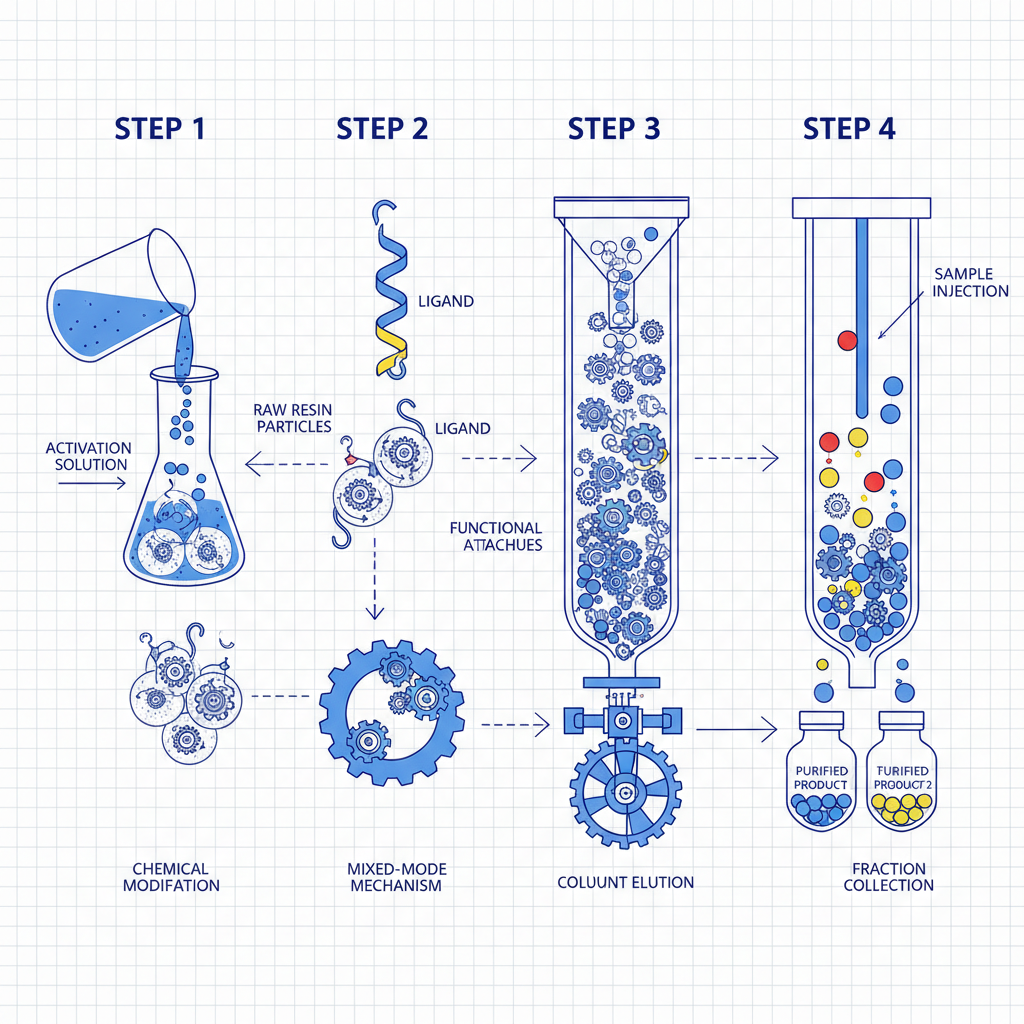
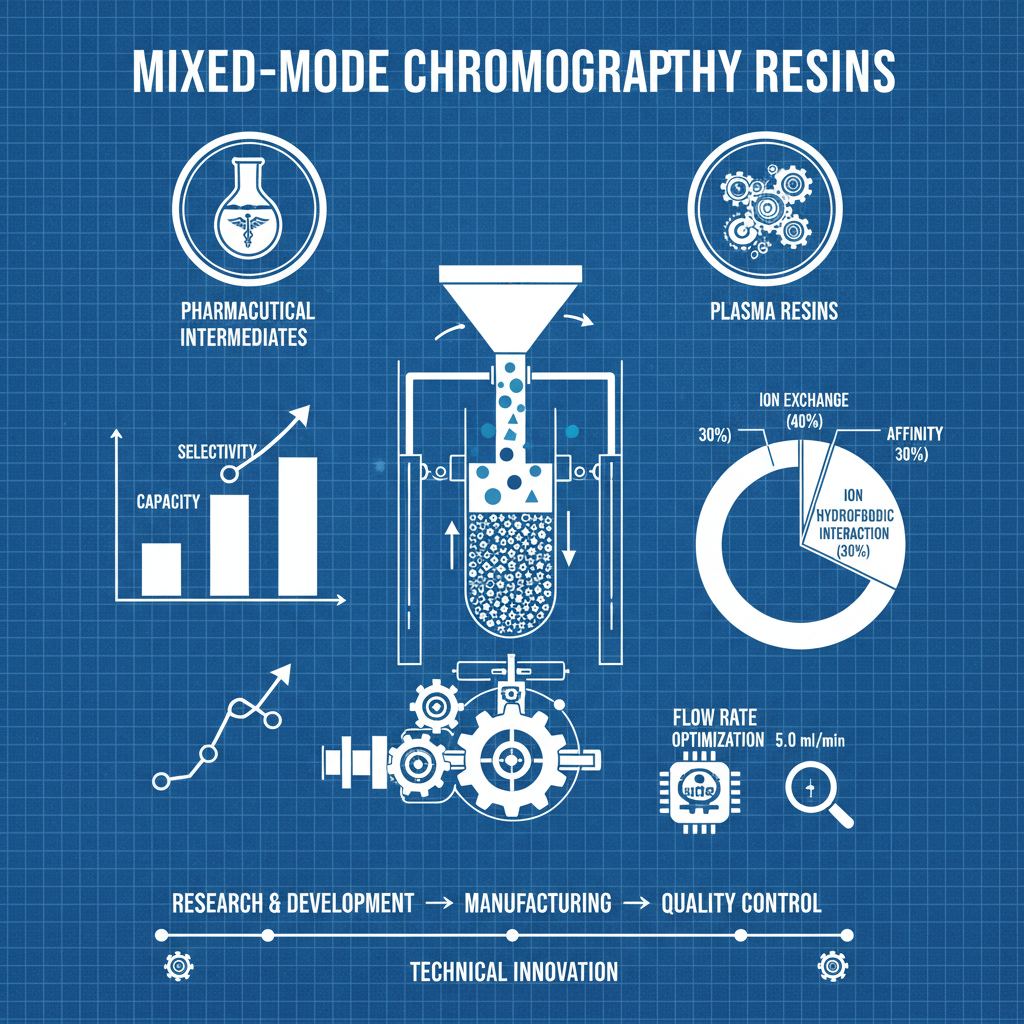
In simple terms, mixed mode chromatography resins are specialized materials that combine two or more types of chemical ligands on a single polymer bead. While a standard cation exchange resin only cares about the positive charge of a molecule, a mixed-mode resin might look for both a positive charge and a hydrophobic patch on the protein surface. This dual-recognition capability allows for highly selective binding, even in high-salt conditions where traditional ion exchange would fail.
This technological leap is deeply connected to modern humanitarian needs, particularly in the rapid development of vaccines and orphan drugs. When the target molecule is unstable or exists in a complex broth of impurities, the versatility of these resins ensures that the highest possible yield is recovered without compromising the structural integrity of the protein, effectively speeding up the path from the lab to the patient.
From a technical standpoint, the synergy between electrostatic and hydrophobic forces creates a unique "selectivity window." By adjusting the pH or the conductivity of the mobile phase, operators can fine-tune which interaction dominates, making these resins an indispensable tool for those dealing with challenging separations in the synthetic materials and chemical manufacturing sectors.
Core Components Driving Resin Performance
The effectiveness of mixed mode chromatography resins begins with the polymer matrix. Whether based on agarose, silica, or synthetic polymers, the matrix must provide high mechanical stability to withstand the pressures of industrial-scale columns while maintaining a pore size that allows large biomolecules to access the internal ligands.
Ligand density and distribution are the second critical factor. For mixed mode chromatography resins, the precise spacing between the ionic groups and the hydrophobic chains determines the "avidity" of the binding. If the ligands are too crowded, steric hindrance may prevent the target molecule from binding; if they are too sparse, the resin's capacity drops, leading to inefficient throughput.
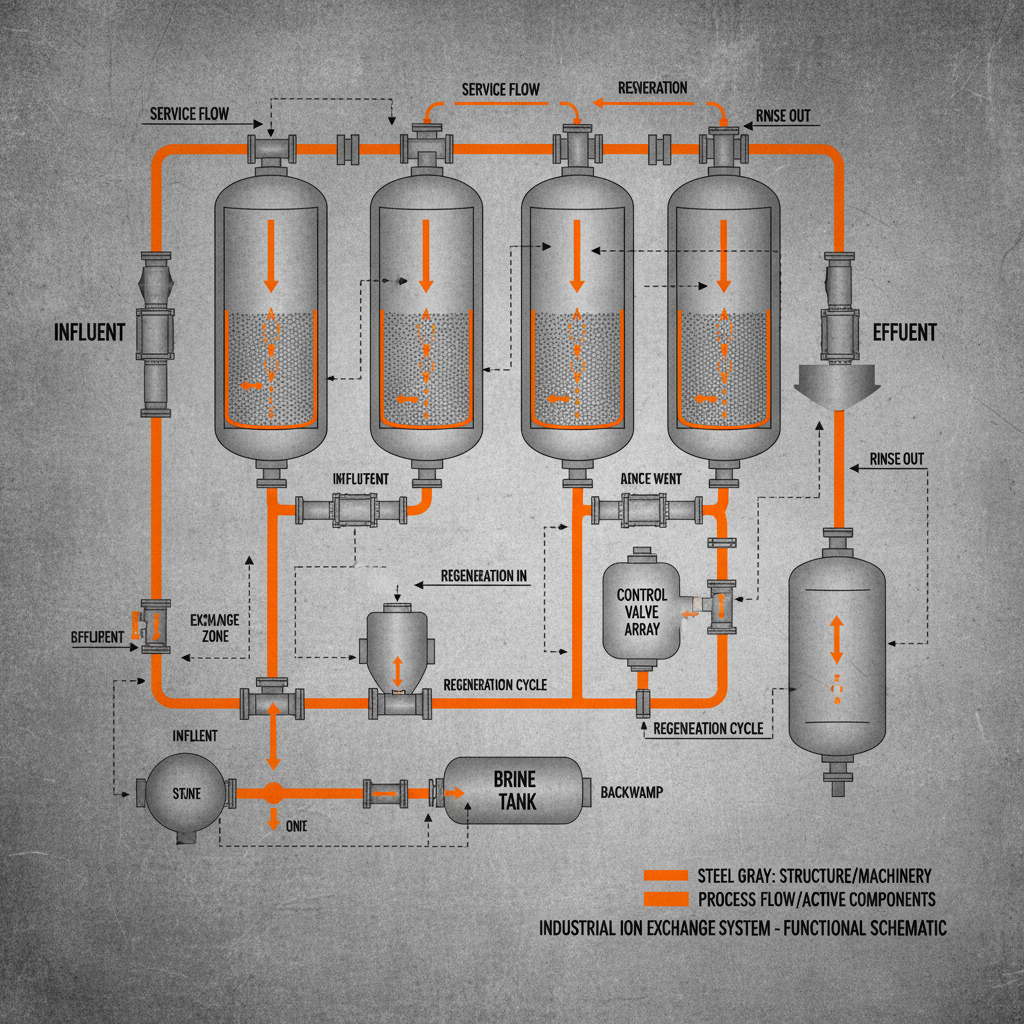
Chemical stability and regenerability round out the core components. In a commercial setting, the ability to clean the resin with harsh caustic agents (CIP - Clean-in-Place) without degrading the ligands is paramount. High-quality mixed-mode resins are engineered to maintain their selectivity over hundreds of cycles, ensuring that the cost per gram of purified product remains low.
Practical Scalability and Cost-Efficiency Analysis
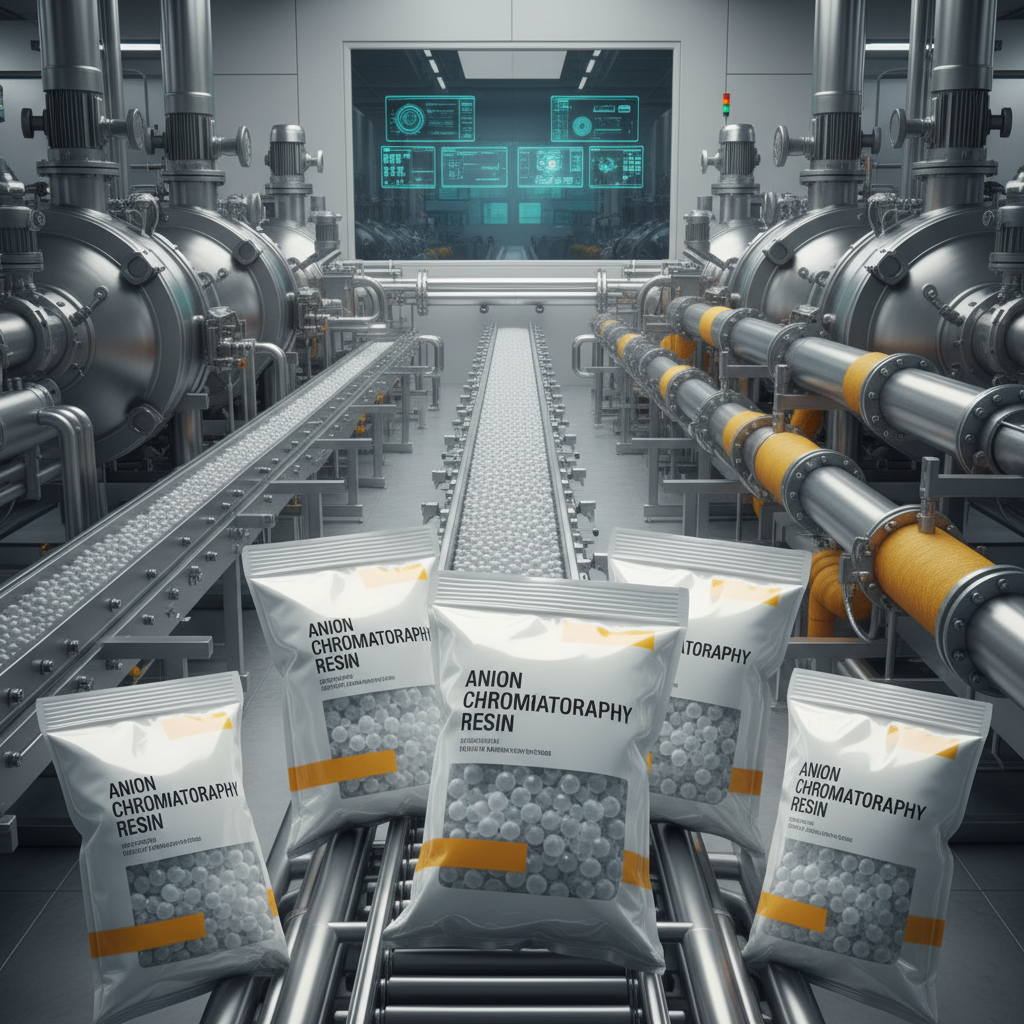
Moving from a bench-top chromatography column to a 1,000-liter industrial tank requires a resin that maintains consistent performance across scales. mixed mode chromatography resins offer a distinct advantage here because they reduce the number of required unit operations. By eliminating one or two intermediate purification steps, the capital expenditure on hardware and the operational expenditure on labor are significantly reduced.
Moreover, the ability of these resins to operate at higher conductivities means that feedstreams do not always need to be diluted. This prevents the "volume explosion" typically seen in ion-exchange processes, leading to smaller tank requirements and shorter processing times, which directly translates to a faster time-to-market for critical chemical products.
Efficiency Comparison of Mixed Mode Chromatography Resins Methods
Global Applications Across Biopharma and Industry
The application of mixed mode chromatography resins spans several critical industries. In the biopharmaceutical sector, they are widely used for the purification of monoclonal antibodies (mAbs) and recombinant proteins, where they serve as a polishing step to remove leached Protein A or high-molecular-weight aggregates. In remote industrial zones or emerging markets, these resins allow for the setup of smaller, more efficient purification plants that do not require the massive infrastructure of traditional chromatography suites.
Beyond pharma, these resins are finding use in the specialty chemicals and food industry, particularly in the extraction of high-value bioactive compounds from natural sources. For instance, in the production of plant-based proteins or the purification of rare sugars, mixed-mode resins can selectively bind targets from complex fermentation broths, ensuring a high-purity end product that meets international food safety and quality standards.
Long-Term Value and Sustainability Benefits
The long-term value of investing in mixed mode chromatography resins extends beyond mere yield. From a sustainability perspective, the reduction in buffer volume means less water consumption and a significant decrease in the amount of salts and chemicals released into wastewater streams. This "green chemistry" approach helps companies meet ESG (Environmental, Social, and Governance) goals while reducing the costs associated with hazardous waste disposal.
Emotionally and logically, the use of these resins builds trust with regulators and end-users. When a manufacturer can prove a higher level of impurity removal through the sophisticated interaction of mixed-mode ligands, it enhances the safety profile of the final drug or chemical. This reliability translates to a stronger brand reputation and a deeper sense of security for the patients relying on these life-saving treatments.
Furthermore, the innovation inherent in mixed-mode technology fosters a culture of continuous improvement within the production facility. As teams master the art of tuning pH and conductivity to optimize their separations, they unlock new capabilities in process development, allowing for the rapid adaptation of the production line to new product variants or updated purity specifications.
Future Trends in Resin Innovation and Automation
Looking ahead, the evolution of mixed mode chromatography resins is moving toward "intelligent" ligands. We are seeing the development of resins that can respond to external stimuli, such as temperature or light, allowing for the release of bound molecules without the need for high-salt elution buffers. This will further push the boundaries of sustainability and efficiency in the chemical manufacturing sector.
Digital transformation is also playing a key role. The integration of Process Analytical Technology (PAT) and AI-driven modeling allows for the real-time optimization of mixed-mode separations. Instead of relying on trial-and-error, engineers can now use predictive software to determine the exact buffer conditions needed to maximize purity, essentially creating a "digital twin" of the chromatography process.
Finally, the trend toward continuous manufacturing (CM) is driving the design of resins that can be used in simulated moving bed (SMB) systems. This shift from batch processing to a continuous flow will allow for unprecedented throughput and a further reduction in the footprint of purification facilities, marking a new era of industrial efficiency.
Comparative Analysis of Mixed Mode Resin Innovation Trends
| Innovation Pillar |
Technical Approach |
Impact Score (1-10) |
Primary Benefit |
| Smart Ligands |
Stimuli-responsive polymers |
9 |
Buffer-free elution |
| AI Integration |
Predictive binding models |
8 |
Rapid process development |
| Continuous Flow |
SMB system compatibility |
10 |
Maximized throughput |
| Green Matrices |
Bio-derived polymer bases |
7 |
Reduced carbon footprint |
| High-Density Ligands |
Nano-structured surfaces |
8 |
Increased binding capacity |
| Multi-Mode Hybrid |
Triple-interaction ligands |
9 |
Extreme selectivity |
FAQS
Unlike traditional ion exchange resins that rely solely on electrostatic attraction, mixed mode chromatography resins combine ionic and hydrophobic (or other) interactions. This allows them to bind target molecules even in high-conductivity environments and provide a much higher degree of selectivity, making it easier to separate molecules with very similar charge profiles.
Yes, depending on the ligand configuration and the process design, mixed mode resins are versatile enough to be used for initial capture from crude lysates or as a final polishing step to remove trace impurities like aggregates and viruses, potentially reducing the overall number of steps in a purification train.
Optimization typically involves a systematic screen of pH and salt concentration. Because multiple forces are at play, you can trigger elution by either changing the pH to neutralize charges or increasing/decreasing salt to disrupt hydrophobic or ionic bonds. Using a Design of Experiments (DoE) approach is highly recommended.
While the initial cost per liter of mixed mode resins may be higher due to complex ligand synthesis, the total cost of ownership is often lower. This is because they can replace multiple purification steps, reduce buffer consumption, and increase overall product recovery and purity.
The lifespan depends on the resin's chemical stability and the effectiveness of the cleaning protocols. High-quality mixed mode resins are designed to withstand standard CIP (Clean-in-Place) procedures using NaOH, often lasting for hundreds of cycles before a significant drop in binding capacity is observed.
The choice depends on the isoelectric point (pI) of your target molecule. If the molecule is positively charged at your working pH, a cationic mixed-mode resin is typically used. If it is negatively charged, an anionic resin is appropriate. Always consider the pH of your feedstream to ensure optimal binding.
Conclusion
In summary, mixed mode chromatography resins represent a pivotal advancement in the field of synthetic materials and bioprocessing. By fusing multiple interaction mechanisms into a single phase, these resins provide unparalleled selectivity, operational flexibility, and economic efficiency. From reducing the complexity of downstream processing to enhancing the purity of life-saving therapeutics, the impact of this technology is felt across the global pharmaceutical and chemical manufacturing landscapes.
As we move toward a future defined by continuous manufacturing and green chemistry, the role of these advanced resins will only grow. Organizations that embrace these innovative materials today will not only achieve higher product quality and lower costs but will also position themselves as leaders in sustainable industrial innovation. To explore how these solutions can optimize your specific process, visit our website: www.lijiresins.com