In the sophisticated realm of chemical processing and water treatment, weak cation exchange stands as a cornerstone technology for achieving precise ionic separation and purification. Unlike its strong acid counterparts, this process offers a level of selectivity and regeneration efficiency that is indispensable for high-purity industrial applications, making it a critical asset for manufacturers aiming to optimize their chemical outputs.
Globally, the demand for specialized ion exchange resins has surged as industries strive for more sustainable and cost-effective ways to handle wastewater and recover precious metals. Understanding the nuances of weak cation exchange allows engineers to reduce chemical consumption during regeneration cycles, thereby lowering the environmental footprint of large-scale manufacturing plants.
By leveraging the unique properties of these resins, businesses can solve complex challenges ranging from the removal of alkalinity in boiler feed water to the targeted recovery of catalysts. This guide explores the technical depth, practical applications, and future trajectories of weak cation exchange to provide a comprehensive roadmap for industrial implementation.
Global Relevance of Weak Cation Exchange
On a global scale, the implementation of weak cation exchange is inextricably linked to the tightening of environmental regulations and the push for "Green Chemistry." According to industry trends aligned with ISO 14001 standards, the ability to selectively remove ions without the excessive use of harsh regenerants is no longer a luxury but a regulatory necessity. In regions like the European Union and North America, where water discharge limits are stringent, these resins provide a viable pathway to compliance.
The primary challenge facing the chemical manufacturing sector is the rising cost of raw materials and the energy-intensive nature of traditional purification. By integrating weak cation exchange, plants can significantly reduce the "chemical sludge" produced during regeneration, transforming a waste-heavy process into a streamlined, circular operation. This shift is critical for maintaining competitiveness in a market that increasingly values ecological stewardship.
Technical Definition and Industrial Meaning
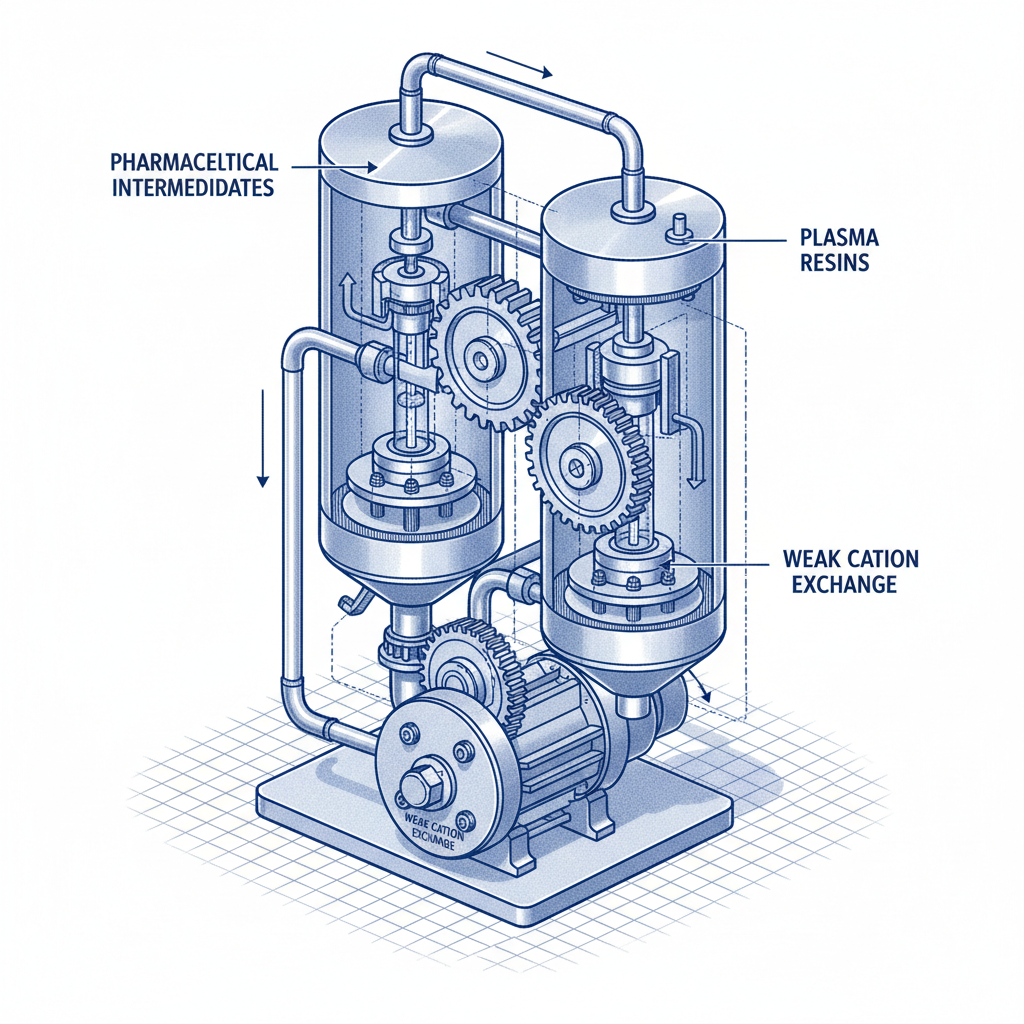
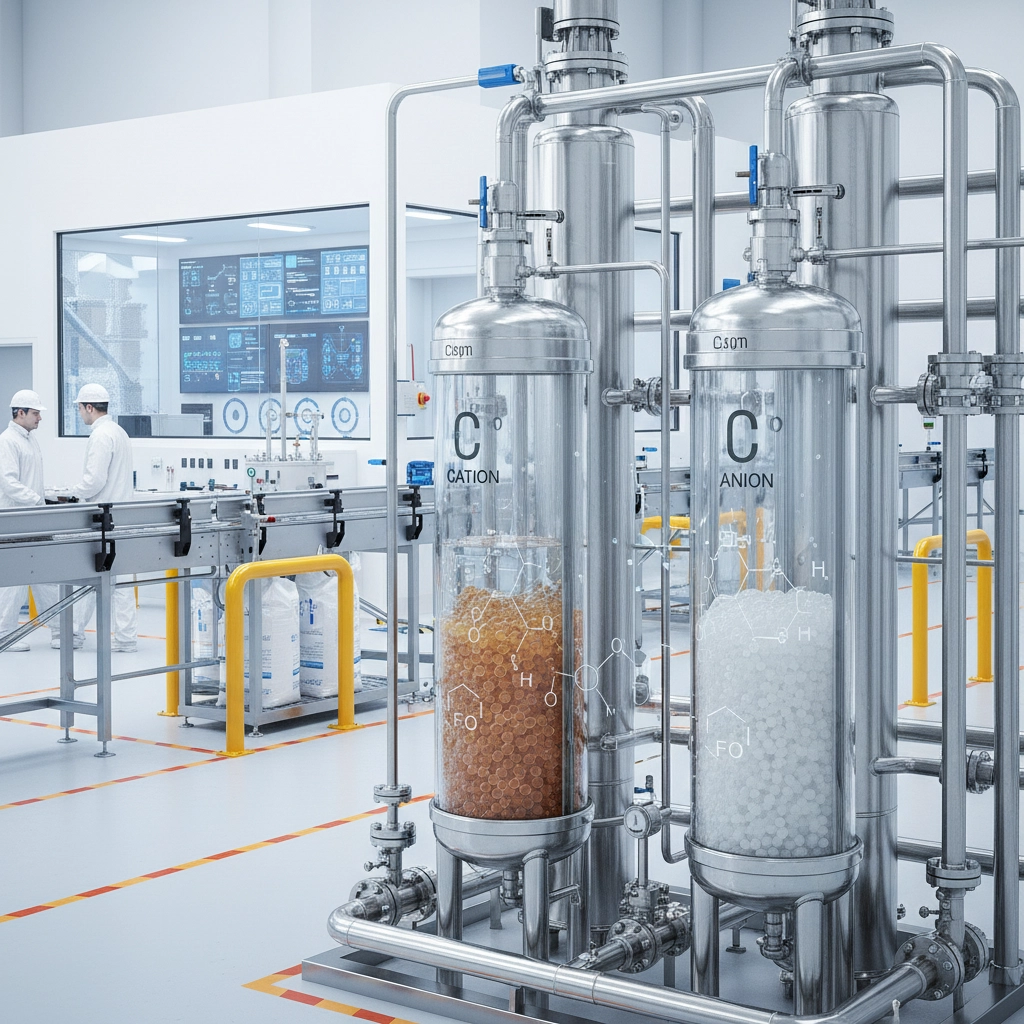
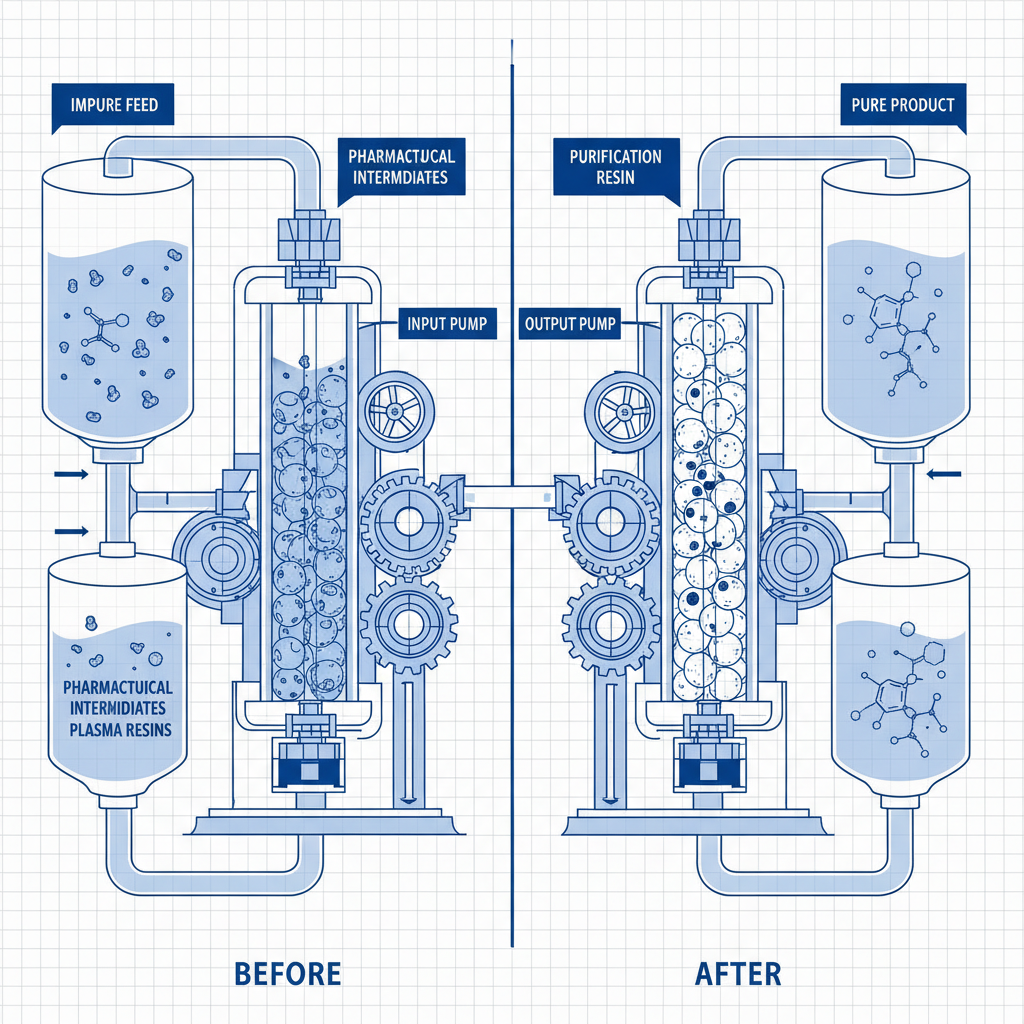
At its core, weak cation exchange refers to the process where ions are swapped using a resin containing functional groups—typically carboxylic acid—that only dissociate over a specific pH range. Unlike strong acid cation resins, which can exchange ions regardless of the solution's acidity, weak cation exchangers are highly selective, primarily targeting strong acid cations or removing alkalinity from water.
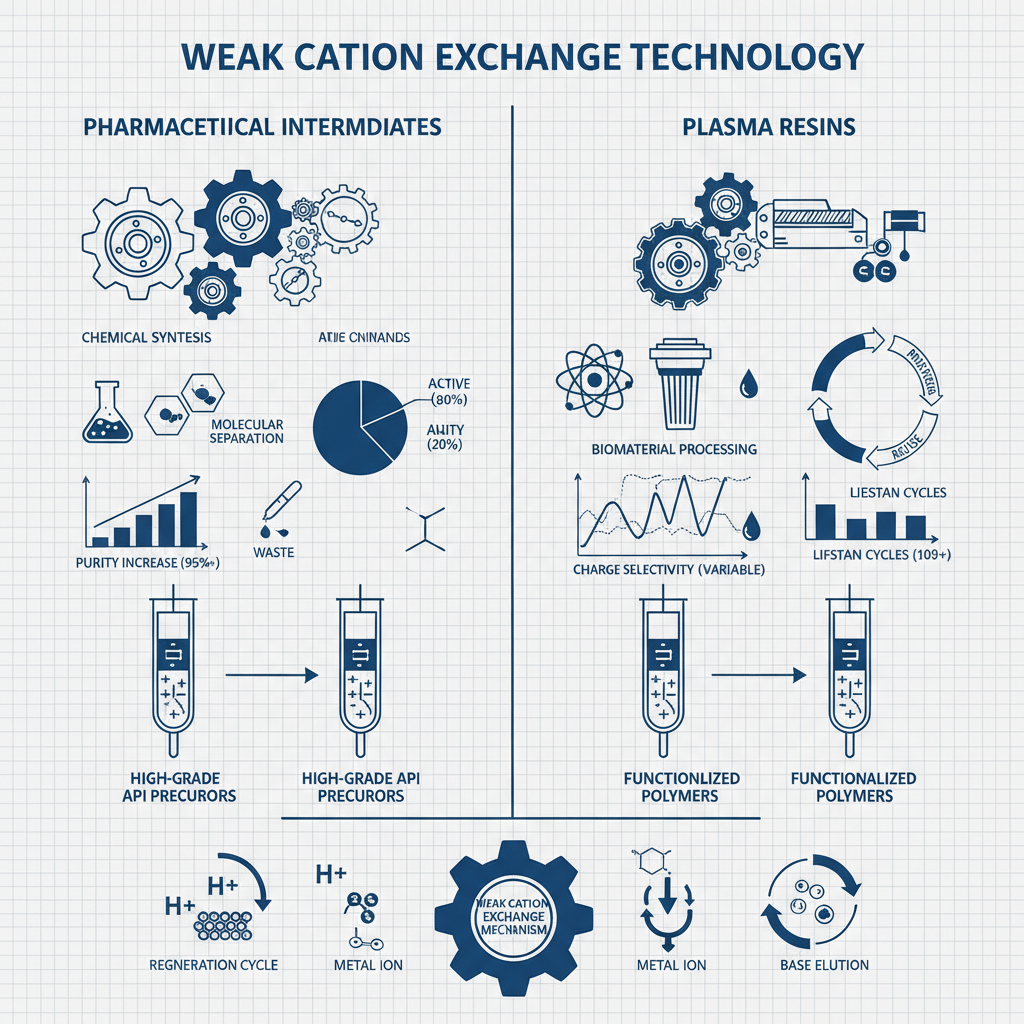
In an industrial context, this means the resin acts as a sophisticated "chemical filter" that ignores certain ions while capturing others with high affinity. This selectivity is the key to its industrial meaning: it allows for the separation of specific metal ions from complex mixtures, which is essential in the production of high-purity synthetic materials and pharmaceutical intermediates.
Beyond simple filtration, this process serves a vital humanitarian and industrial role by enabling the purification of water in regions with high mineral content. By precisely controlling the exchange capacity, industries can ensure that the resulting water meets the exacting standards required for high-pressure boilers and semiconductor fabrication, preventing scale buildup and equipment failure.
Core Components of High-Efficiency Resins
The effectiveness of weak cation exchange depends heavily on the polymer matrix, usually cross-linked polystyrene or polyacrylic acid. The degree of cross-linking determines the physical robustness and the porosity of the bead, influencing how quickly ions can migrate from the liquid phase to the exchange sites.
Functional group density is the second critical factor. For weak cation exchange, the concentration of carboxylic groups dictates the total capacity of the resin. A higher density allows for more ions to be captured per liter of resin, which directly translates to longer run times between regeneration cycles and lower operational costs.
Finally, the kinetics of the exchange process—specifically the diffusion rate—ensure that the weak cation exchange occurs efficiently even at high flow rates. This is achieved through precise control of the bead size distribution, ensuring that the surface area is maximized while maintaining a pressure drop that doesn't strain the pumping systems.
Performance Metrics and Operational Efficiency
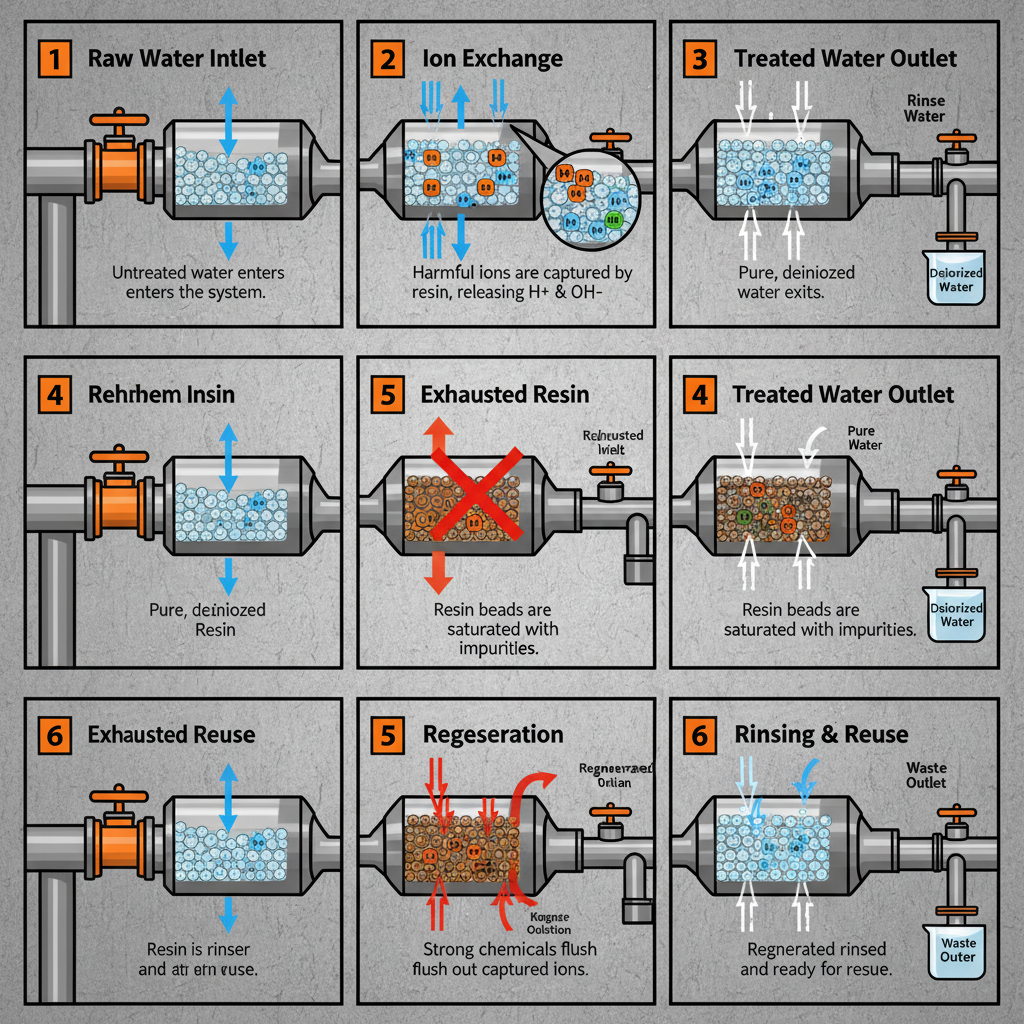
Evaluating the success of weak cation exchange requires a look at "Regeneration Efficiency." Because weak acid resins have a higher affinity for hydrogen ions, they can often be regenerated with nearly stoichiometric amounts of acid, meaning almost every molecule of regenerant is used effectively. This is a stark contrast to strong acid resins, which require a massive excess of chemicals.
Operational efficiency is also measured by the "Leakage Rate" and "Breakthrough Capacity." In a well-optimized weak cation exchange system, the breakthrough point—where the target ion starts appearing in the effluent—is pushed as far back as possible, maximizing the volume of treated fluid per cycle.
Efficiency Comparison of Weak Cation Exchange Variants
Real-World Applications and Global Use Cases
In the field of hydrometallurgy, weak cation exchange is utilized for the selective recovery of rare earth elements and precious metals from leach liquors. For instance, in mining operations across Australia and Canada, these resins are deployed to isolate specific cations from a "soup" of impurities, ensuring that the final refined product meets 99.9% purity standards.
Furthermore, in the food and beverage industry, weak cation exchange is used for the demineralization of sugar syrups and the removal of unwanted minerals from fruit juices. This not only improves the taste and clarity of the product but also ensures that the final output is stable during long-term storage and transportation across global markets.
Long-Term Value and Sustainability Gains
The long-term value of adopting weak cation exchange lies in the drastic reduction of operational expenditures (OPEX). By utilizing resins that require less chemical regenerant, companies see a direct decrease in their procurement costs for acids and bases, as well as a reduction in the costs associated with neutralizing and disposing of waste brine.
From a sustainability perspective, the lower chemical footprint minimizes the risk of groundwater contamination and reduces the carbon emissions associated with the production and transport of bulk chemicals. This aligns perfectly with the corporate social responsibility (CSR) goals of modern chemical giants who aim for carbon neutrality.
Ultimately, the reliability of these systems builds trust with stakeholders and regulators. When a plant can demonstrate a consistent, low-impact method of ion removal via weak cation exchange, it secures its "social license to operate," ensuring long-term stability in environmentally sensitive industrial zones.
Future Trends and Technological Innovations
The future of weak cation exchange is moving toward "Smart Resins"—materials integrated with nano-sensors that can signal exactly when the resin is saturated. This will eliminate the guesswork of breakthrough timing, allowing for automated regeneration cycles that further optimize chemical use and minimize downtime.
Another emerging trend is the development of bio-based polymer matrices. By replacing petroleum-derived styrene with renewable plant-based precursors, the entire lifecycle of the weak cation exchange resin becomes biodegradable or carbon-neutral, addressing the end-of-life disposal challenge that currently plagues the industry.
Digital transformation is also playing a role, with AI-driven simulations now able to predict the behavior of weak cation exchange in multi-component systems. This allows engineers to design custom-tailored resin beds that are perfectly matched to the specific ionic profile of their influent stream, maximizing efficiency to a degree previously thought impossible.
Comparison of Weak Cation Exchange Resin Types and Performance
| Resin Type |
Selectivity Level |
Regen Efficiency |
Lifespan (Years) |
| Polyacrylic Gel |
High |
Excellent (9.5) |
3-5 |
| Polystyrene Gel |
Moderate |
Good (7.0) |
4-6 |
| Macroporous Acrylic |
Very High |
High (8.5) |
5-8 |
| Macroporous Styrene |
Moderate |
Moderate (6.5) |
6-10 |
| Hybrid Chelating |
Extreme |
High (9.0) |
4-7 |
| Specialty Composite |
Custom |
Variable (8.0) |
3-5 |
FAQS
The primary difference lies in their dissociation constants. Strong cation exchange resins can exchange ions across a wide pH range, while weak cation exchange resins only function effectively in more alkaline or neutral conditions. Consequently, weak resins are much more efficient to regenerate, requiring significantly fewer chemicals to return to their original state.
Industries focusing on high-purity water (power plants, semiconductors), pharmaceutical manufacturing, and hydrometallurgy (metal recovery) benefit most. These sectors require the high selectivity and low chemical waste that weak cation exchange provides to maintain product purity and environmental compliance.
Regeneration frequency depends on the ionic load of the influent stream and the resin's capacity. However, because they have a higher affinity for specific ions, they often last longer than strong resins in alkalinity-removal applications. Monitoring the breakthrough point is the industry standard for determining the exact regeneration trigger.
Yes, they are generally more eco-friendly than strong resins because they use near-stoichiometric amounts of regenerant. This reduces the volume of salt and acid waste discharged into the environment, contributing to a lower overall chemical footprint for the industrial facility.
While possible in specialized "mixed bed" configurations, they are typically used in series. A weak cation exchange bed is often placed first to remove the bulk of the alkalinity, followed by a strong cation bed for polishing. This "layered" approach optimizes the efficiency and lifespan of both resins.
The most common causes of degradation are organic fouling, oxidative attack from chlorine or ozone, and physical attrition from high pressure. Regular backwashing and the use of protective pre-filters can significantly extend the operational life of the resin beads.
Conclusion
In summary, weak cation exchange is an essential technology that balances high-precision ion selectivity with operational sustainability. By reducing chemical waste and offering targeted purification, it allows industrial manufacturers to achieve superior product quality while adhering to strict global environmental standards. From hydrometallurgy to high-purity water treatment, the strategic application of these resins drives both economic value and ecological responsibility.
Looking forward, the integration of bio-based materials and AI-driven monitoring will further elevate the efficiency of weak cation exchange systems. For companies seeking to modernize their chemical processes and reduce OPEX, investing in high-quality resin technology is not just a technical upgrade but a strategic move toward a sustainable future. Visit our website for more professional solutions: www.lijiresins.com